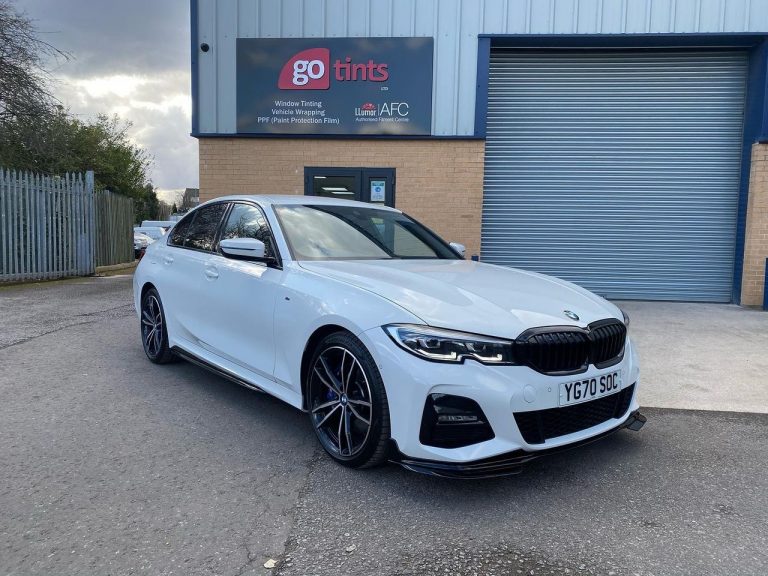
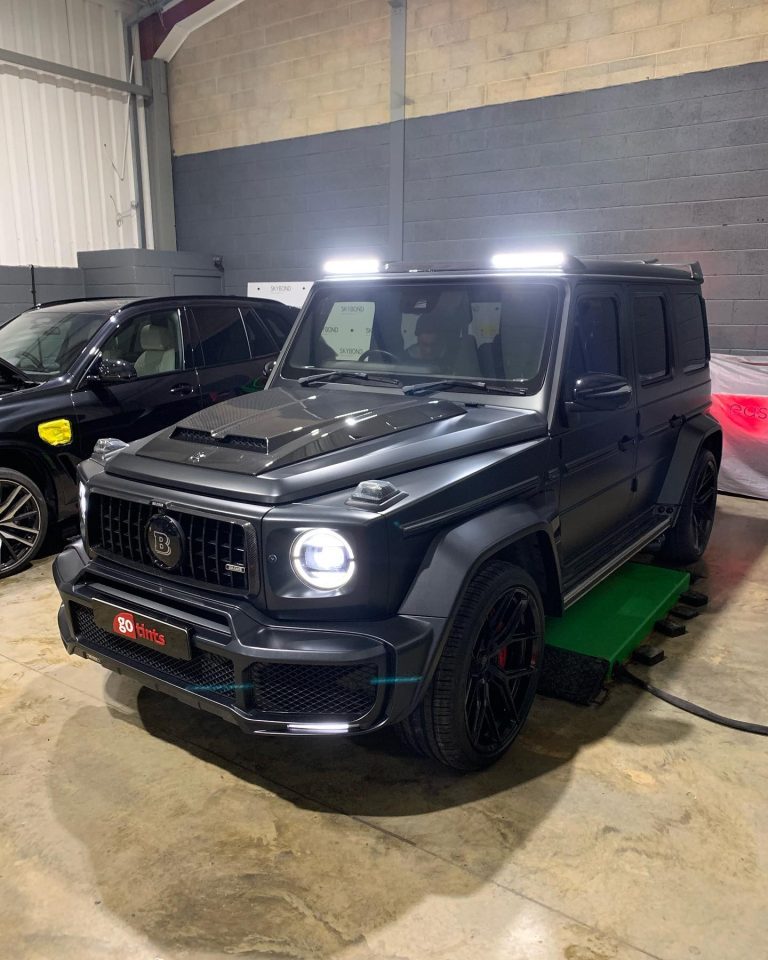
Driving along the M62 or navigating the M60 during rush hour is a ritual for thousands of drivers across West Yorkshire and Greater Manchester. While these routes are essential for getting from A to B, they are often the primary cause of cosmetic wear and tear. One of the most common frustrations for any vehicle owner is that sharp, metallic crack against the bonnet, signifying another stone chip has joined the collection. As motorway speeds increase the force of road debris, many owners are turning to paint protection film as a practical shield for their bodywork.
Paint protection film, commonly known as PPF, is a clear protective film applied to the bodywork of a vehicle. Unlike a wax or a ceramic coating, which provides a thin chemical barrier, PPF acts as a physical sacrificial layer. When a small stone or piece of grit is kicked up by a lorry or the car in front, the film absorbs the impact energy. This prevents the debris from reaching the actual paint, keeping the factory finish intact beneath the surface. You can learn more about our expertise in this field to understand why this protection is so vital.

Motorways are high energy environments for vehicle paintwork. When you are travelling at 70mph, even a tiny piece of loose tarmac or a stray pebble becomes a high velocity projectile. For regular commuters between Huddersfield, Leeds, and Manchester, the constant exposure to this debris quickly leads to a peppered appearance on the front bumper and leading edge of the bonnet. Over time, these small chips do more than just spoil the look of the car. They can lead to rust if they penetrate deep enough, and they certainly impact the eventual resale value of the vehicle.
Using paint protection film is often the most effective way to manage this risk. Because the film is designed to be tough yet flexible, it can defend against stone chips and road debris. For those who spend hours each week on the region’s busiest roads, this provides a level of car stone chip protection that traditional methods simply cannot match. It allows drivers to maintain a pristine appearance without having to worry about every grit spreader or construction vehicle they encounter on their journey.
One of the most impressive features of modern PPF is its ability to protect the car for the long term. Many high quality films are engineered with a top coat that reacts to heat. If the film suffers light abrasions or swirls from road debris, the application of warmth, such as from the sun or warm water, can actually cause the film to reset. This means the protection does not just stop the chip; it often hides the evidence of the impact itself, keeping the clear protective film looking fresh for much longer than expected. To keep the rest of your vehicle looking its best, we also offer professional car detailing to restore every surface.
It is worth noting that while PPF is incredibly durable, it is not invincible. Very large rocks or high speed collisions with heavy debris may still leave a mark, but the damage to the underlying paint will almost always be significantly less than if the car were unprotected. For many drivers, the goal is long term ownership care for those keeping their car for years, ensuring that the cumulative effect of thousands of miles does not leave the vehicle looking tired and neglected. Often, these impacts occur at the lower levels of the car, which is why we also provide alloy wheel repair to ensure your rims stay as clean as your bodywork.
For individuals who see their vehicle as an investment, PPF car paint protection is a logical step. When it comes time to sell or trade in a vehicle, the condition of the paintwork is one of the first things a buyer or dealership will inspect. A bonnet covered in touch up paint or peppered with white spots from motorway driving can lead to a significant drop in valuation. By applying a film early in the vehicle’s life, you are effectively freezing the paint in its current condition.
If you have already noticed a few marks on your car, you might wonder about your options. While it is possible to apply film to used vehicles, the best results are always achieved on a smooth, clean surface. Many clients ask, can paint protection film be applied over stone chips? and the answer depends on the depth of the damage. This is why many owners choose to have the film fitted immediately after purchase to ensure the finish is as perfect as possible before being sealed away. In cases where a car has seen better days, some may even ask can you apply PPF over repainted bodywork, which is achievable provided the new paint has been allowed to cure correctly.

Not every driver needs a full vehicle wrap. The most common approach for those focused on motorway driving paint damage is to cover the areas most vulnerable to road debris, such as the front bumper, bonnet, and wings. This targeted approach to protect car from road debris offers the best balance of coverage and practicality for the average commuter, and is just one of the many services we provide to enhance your vehicle.
Beyond the paintwork, many drivers in West Yorkshire also consider other ways to enhance their driving experience. For families, privacy glass can be a great addition to provide security and peace of mind without the aftermarket look, helping to keep the cabin cool for children. The team at Go Tints handles these varied needs from their specialist workshop in Huddersfield, ensuring every aspect of the vehicle is looked after to a high standard.
Reduces the need for frequent paint touch ups and resprays.
Maintains the original factory appearance, preserving the resale value.
Offers a sacrificial layer that can be removed and replaced if a specific section is heavily damaged.
Resists staining from other motorway hazards like bug splatter and road salt.
Ultimately, the decision to install PPF comes down to how you use your car. If your vehicle spends most of its time tucked away in a garage, the risks are lower. However, if your daily routine involves the M62 or long stretches of the A1, the question is not if you will get stone chips, but when. Professional application ensures that the film is virtually invisible, so you get all the protection without changing the look of your vehicle.
If you are ready to shield your bonnet from the next journey over the Pennines, please contact us today and send over your vehicle details; the team will talk through your options for keeping your paintwork looking new for years to come.