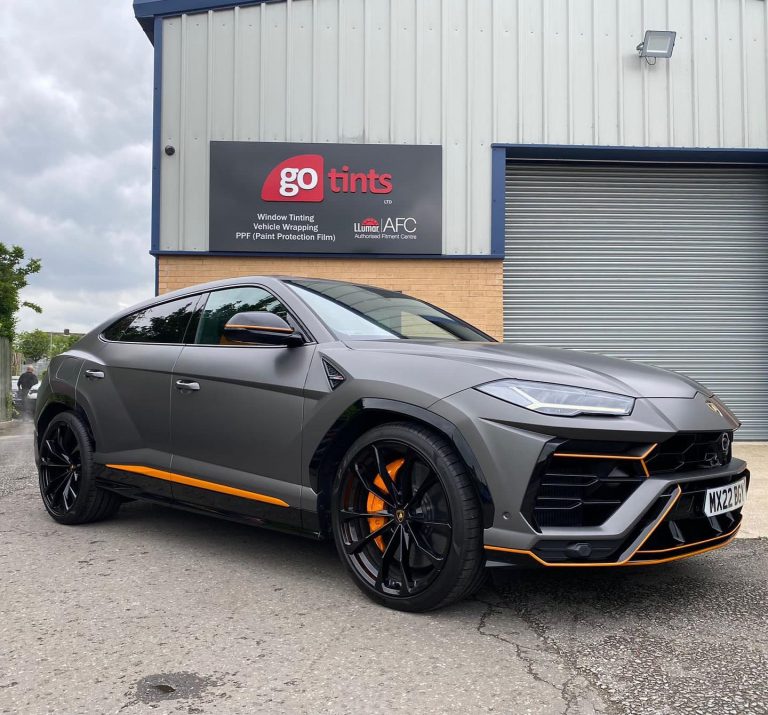
I’ve been tinting vehicles at Go Tints in Huddersfield for years, and one of the most common questions customers ask me is, “How dark can my privacy glass legally be?” It’s a fair question. After all, no one wants to spend time and money upgrading their car only to find out it could fail an MOT or attract police attention.
The truth is, the right tint adds style, comfort, and protection. The wrong one can cause expensive problems. So, let me take you through exactly how dark privacy glass can be in the UK, how the laws work, and what you should keep in mind before getting your windows tinted.

A lot of people think privacy glass and window tint are the same thing, but they’re not. Privacy glass is created during the manufacturing process — the glass itself is tinted using pigments or dyes. That means it’s part of the vehicle’s design from the factory.
Tint film, on the other hand, is applied after the car leaves production. It’s a thin layer of specialised material that sticks to the inside of your windows. This gives drivers flexibility to choose their shade, level of UV protection, and heat rejection.
At Go Tints, we work with both factory privacy glass and aftermarket tint film every day. I’ve seen how professional fitting can completely change how a car feels inside — less glare, cooler temperatures, and a smoother, more premium look overall.
UK law is crystal clear about what’s allowed when it comes to window darkness. It’s not about style preferences; it’s about safety and visibility.
These rules apply whether your car came with tinted glass from the factory or you’re adding film afterwards. The difference is that aftermarket tint can push the limits, which is why it’s important to know exactly how much light your glass already blocks before applying any additional layer.
We use professional meters at Go Tints to measure visible-light transmission before we begin. This ensures we never install anything that could take your vehicle below the legal limit.
Drivers often ask why they can’t tint the front windows more heavily. The reason is simple: visibility and safety. When front glass gets too dark, it becomes difficult to see pedestrians, cyclists, and other vehicles — especially at night or in bad weather.
Most cars already come with glass that blocks around 10 percent of light. Add even a light film, and you could unknowingly break the 70 percent rule. That’s why we always start with a test reading. Once we know the baseline, we can recommend the right shade to stay compliant.
A legal front-window tint still looks sharp and sleek. It enhances UV protection and reduces glare without creating visibility issues. Our goal is to make your car look amazing while keeping you completely road-legal.
The back half of your vehicle gives you total creative control. Because there’s no legal limit for rear windows, you can go as dark as you want. Many drivers choose deep tints for security and comfort — especially those with families who want more privacy for children or valuables in the back.
Dark rear tints also reduce heat build-up inside the car, which can make long drives much more comfortable in summer. For SUVs, vans, or high-end saloons, dark privacy glass adds that luxury feel without compromising practicality.
When I’m working on full-vehicle tinting jobs, I always help customers choose shades that blend evenly between the front and rear glass. That way, your car keeps a consistent, professional finish. Some combine this look with vehicle wrapping or car detailing for a complete transformation.
Factory privacy glass is part of the car’s DNA — durable, consistent, and impossible to peel or bubble. But it can’t be changed. Aftermarket tint film gives you options: you can pick the exact tone, replace it later, or match it to new windows if you upgrade your car.
High-quality film also offers protection from UV rays, which prevents fading on seats and trim. At Go Tints, we use premium films that deliver clear visibility from the inside, long-term colour stability, and excellent heat rejection.
If your car already has factory-tinted rear glass, we can apply a perfectly matched film to the front windows, ensuring both appearance and compliance stay balanced. Every installation is tested before completion, giving you documented light-transmission readings you can rely on.
A lot of drivers are surprised to learn that MOT testers don’t measure window tint percentages directly. However, they can fail a vehicle if visibility appears unsafe. If the glass looks too dark for a clear view, they’re likely to flag it.
Police officers have portable devices that measure light transmission. If your front windows don’t meet the 70 percent rule, you could receive a prohibition notice, be fined, or asked to remove the film immediately.
We’ve helped plenty of drivers who were caught out by DIY jobs or cheap tints that faded darker over time. The simplest way to avoid that is to have your tint fitted by trained professionals who understand both the materials and the law.
One area drivers often overlook is insurance. If your windows are tinted beyond the legal limit, or if you haven’t declared the modification, your insurance could be invalidated. It’s not just about looks — it’s about compliance.
Professional tinting from Go Tints gives you written proof of the installation, including certification of the tint percentage. Insurers appreciate documentation because it confirms your car meets road-safety standards.
For drivers concerned about how tinting might affect premiums, our team explains how to keep everything above board. We regularly work with customers upgrading their cars after reading our breakdown of how tinting and privacy glass relate to insurance policies in the UK.
There’s a world of difference between a professional installation and a DIY film from a kit. When tint film isn’t applied properly, you risk trapped air bubbles, peeling edges, and scratches that weaken the adhesive over time.
At Go Tints, every fitting is done in a controlled environment to prevent dust contamination. We shape each film precisely to the curve of your glass, heat-shrink it for a perfect fit, and seal the edges cleanly. You get a flawless finish that looks factory-made.
Our work doesn’t end once the film is applied. We also check every connection point for parking sensors, cameras, and heated rear windows to ensure they’re unaffected. Modern vehicles rely heavily on these systems, and the last thing you want is interference caused by cheap materials or poor fitting.

If you’re thinking about privacy glass for your car, here are a few practical tips from my experience:
It’s the small details that make a big difference between a job that looks good for a few months and one that lasts for years.
I’ve worked on everything from everyday hatchbacks to high-end performance cars, and the goal never changes — deliver quality that lasts. What sets Go Tints apart is our focus on compliance and craftsmanship. We don’t just make your car look better; we make sure it stays legal, safe, and insurable.
Every tint we install comes with manufacturer-approved materials and guaranteed clarity. Our experience spans privacy glass, paint protection film, and full vehicle wrapping. This range of services means we can advise you holistically — not just on how to tint, but how to protect your car’s finish for years to come.
Customers trust us because we explain everything upfront, measure every window precisely, and provide full documentation. We also handle installations for trade partners and dealerships who rely on us to keep their fleets compliant.
To recap, UK tint laws are straightforward:
• Front windscreen — at least 75 percent light must pass through.
• Front side windows — at least 70 percent.
• Rear windows — no legal limit.
Staying within those rules keeps you safe from fines, MOT issues, and insurance complications. A correctly fitted tint not only upgrades your car’s style but also enhances comfort and privacy.
If you’re thinking about installing privacy glass or updating your tint, let our experienced team handle it. You’ll drive away knowing your car looks incredible, performs perfectly, and meets every legal requirement.
Reach out through our contact team or use the online quote form to get started. Whether you want subtle shading or a deep, executive finish, we’ll tailor the result exactly to your car and your taste.