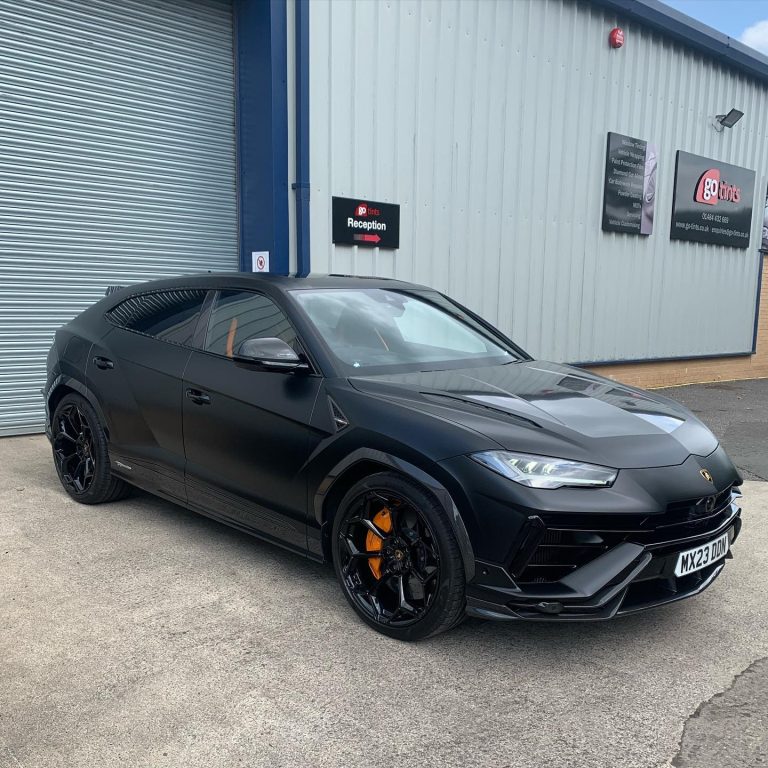
Walking out to a vehicle that looks as fresh as the day it was protected is the goal for any owner. However, as the five year mark approaches, the reality of daily driving across West Yorkshire and Greater Manchester starts to show. A car wrap is a hard working layer of vinyl, but it is not a permanent part of the vehicle. By the time it has faced five winters of road salt, five summers of UV exposure, and countless miles on the M62, its condition will depend heavily on the quality of the original film and how it was treated along the way.
Most high quality vinyl films are rated for a lifespan of five to seven years under ideal conditions. In the real world, five years is often the tipping point where the car wrap lifespan begins to show its age. You might notice the surface losing its original depth. Gloss finishes can become slightly dull, while matt finishes may take on a patchy appearance where oils and dirt have embedded into the porous surface over time.
Physical wear is also common around high contact areas. The edges of doors, the front bumper, and the areas behind the wheels are the first to suffer. Small stones kicked up on rural roads can cause minor nicks in the vinyl. Unlike paint protection film, which is designed specifically to defend against stone chips and road debris, standard colour change vinyl is thinner and more prone to permanent marking. After half a decade, these small imperfections tend to accumulate, making the wrap look tired even if it is still technically intact.

One of the most obvious changes after five years is solar damage. UV rays are a primary enemy of vehicle vinyl. Even in the North of England, prolonged exposure leads to a fading car wrap, particularly on horizontal surfaces like the bonnet and roof. Red and yellow pigments are often the most susceptible to shifting, sometimes taking on a chalky texture as the plasticisers in the vinyl begin to break down.
If the vinyl has reached the end of its useful life, you might see a cracking car wrap. This usually starts as tiny, hair-like fractures in the film. Once this happens, the vinyl becomes brittle. It loses the flexibility it had when it was first applied, which makes it much harder to remove later. At this stage, the wrap is no longer providing an effective barrier for the paintwork underneath and should be assessed by a professional.
How long do car wraps last? The answer often traces back to the first day of the installation. A wrap that was rushed, or applied to a surface that was not surgically clean, will likely fail well before the five year mark. Lifted edges are a common sight on older, lower quality installs. When the adhesive fails at the recesses or around the wheel arches, moisture and grit get trapped behind the film, accelerating the degradation.
A professional installation involves careful heat management and post heating to ensure the vinyl stays in place. At Go Tints, we see the difference this makes every day. It is the same attention to detail required for fitting privacy glass or professional window film. When the edges are tucked correctly and the material is not overstretched, the wrap remains stable for much longer. Professional application ensures all work complies with the standards expected of a specialist workshop, as you can see by reading more about our team and expertise.

Maintenance is a major factor in reaching the five year milestone gracefully. Owners who use automated car washes with stiff brushes often find their wraps scratched and peeling within two or three years. Conversely, those who hand wash their vehicles and use vinyl-specific sealants can keep the film looking remarkable for much longer. Keeping the car clean prevents road film and environmental contaminants from etching into the vinyl surface.
Regular inspections also allow you to spot minor issues before they become major problems. A small lifted edge can often be tacked back down if caught early, whereas leaving it allows the adhesive to become contaminated, eventually requiring the entire panel to be rewrapped. This proactive care is similar to how you might treat other vehicle upgrades, such as checking your wheels and opting for alloy wheel repair to keep the whole car looking sharp. If a previous install has failed, you might even find yourself looking for tint residue removal needs on the glass.
Perhaps the most critical concern at the five year mark is removal. Vinyl is designed to be removable, but this becomes more difficult the longer it stays on the vehicle. If the wrap is left for seven or eight years and allowed to become severely brittle, it can bake onto the paintwork. This turns a straightforward removal into a painstaking process involving steam and specialist adhesive removers. Choosing high-quality vehicle wrapping in the first place makes this end-of-life stage much safer for the car.
When removed at five years, a high quality film should come away cleanly, leaving the original paintwork in the same condition it was in the day it was covered. This is why many owners choose to refresh their vehicle protection around this time. It ensures the paint remains protected while keeping the car looking contemporary and well maintained. If you have an old film that has started to fail, you may need professional tint removal services for the glass to match the refreshed bodywork.
If your wrap is approaching its fifth anniversary and you are starting to notice signs of wear, it may be time for a professional assessment. Understanding the vehicle wrap condition is essential before deciding whether to keep it for another year or plan for a fresh look. Please contact us today and send over your vehicle details, and we will talk through your options for keeping your car protected on the road.