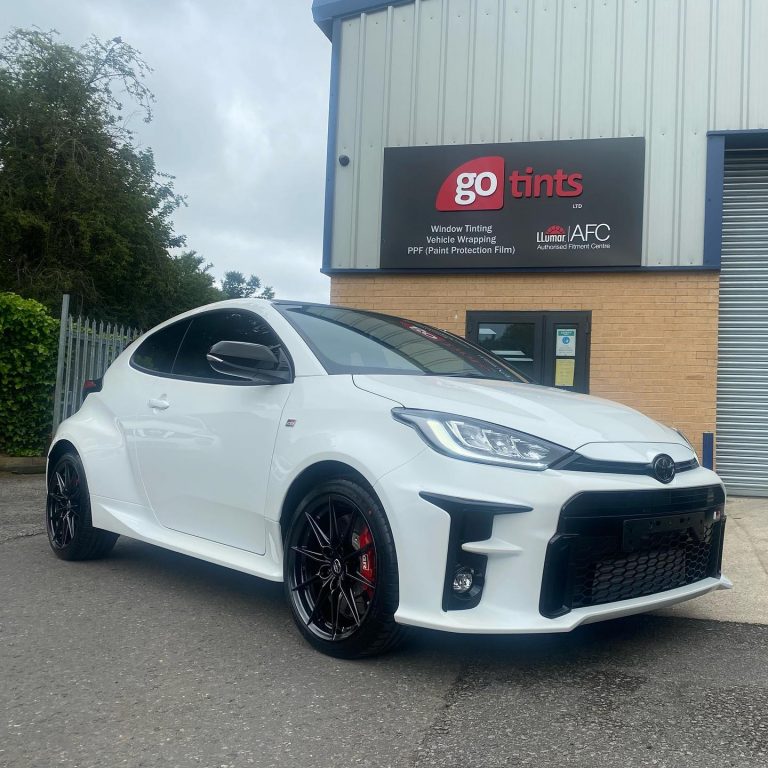
Can You Fix a Scratched Alloy Wheel?

Alloy wheels can be scratched rather easily, sometimes through no fault of your own. So what are your options if your alloy wheel is scratched? 

In this blog, we hope to answer the question ‘Can you fix a scratched alloy wheel?’

With a thriving aftermarket industry, it’s no secret that vehicle owners want the best for their vehicles, whether it’s making it look the way they want it and/or making upgrades. Either way, having peace of mind is the most important factor, this can only be provided by established and trusted service providers like GoTints!

At GoTints, we pride ourselves on providing a variety of expert services for vehicle owners. This includes repair, customisation and personalisation! Our services include PPF, Privacy glass, vehicle wrapping, and car detailing, 

How much damage warrants alloy wheel repair vs when is it too much?

Damage that has affected the function of the wheel will likely need a replacement rather than a repair. Alloy wheels can be repaired with certain levels of cosmetic damage. Understandably, personal finances may dictate when you’d choose to repair the wheel. 

Here’s a deeper look into when a repair is feasible:

Damage that typically warrants repair:

  • If there is a scratch is visually distracting and bothers you, it’s worth considering repair.
  • Deeper scratches that penetrate the clear coat and expose the bare alloy could potentially lead to corrosion over time, especially in a climate with damp conditions and road salt in winter. Repair can prevent more significant damage later.
  • For leased vehicles, even minor scratches can incur charges upon return, making repair a cost-effective option. It’s best to double-check your agreement regarding costs you can be liable for when the lease is over. 

What kind of ‘damage’ doesn’t need repair?

Tiny, hairline scratches that are only visible upon close inspection might not be worth the effort or cost of repair for some people.

When is repair not an option anymore?

  • If a significant portion of the wheel is heavily scratched or gouged, the cost of a professional repair might be similar to the cost (or possibly more) of a replacement wheel.
  • If the wheel also has a bend, crack, or significant corrosion in addition to scratches, it might be more economical and safer to replace the entire wheel. Bends and cracks have the potential to deepen, and affect the structure of the wheel, which is a significant safety risk.
  • Scratches themselves are usually cosmetic, but if an impact caused a scratch and also potentially compromised the structural integrity of the wheel (e.g., a dent or bend is also present), then repair of the scratch alone isn’t sufficient, and the wheel’s overall condition needs professional assessment.

Can a scratch on an alloy wheel be repaired?

Can a scratch on an alloy wheel be repaired?

Yes, a scratch on an alloy wheel can be repaired effectively by a professional. The process may vary between services provides, however, professionals will typically:

  1. Clean the wheel thoroughly.
  2. Assess the scratch.
  3. Prepare the area by masking and sanding to smooth the damage.
  4. Fill deeper scratches to level the surface.
  5. Prime the repaired area for paint adhesion.
  6. Paint with a color-matched paint in thin layers.
  7. Apply a protective lacquer for durability and shine.
  8. Cure and finish the repair, often with polishing for a seamless blend.

Is there maintenance or aftercare after fixing a scratch on alloy wheels?

Yes, to a degree, the first week following the repair is crucial. You must remember to:

Not wash your car or the repaired wheels for the first week. High pressure water from hoses for example can damage the repair. Light rain is usually okay, but avoid prolonged exposure to heavy rain or puddles.

Regardless, you should refrain from touching or wiping the repaired area. Try to avoid situations where the wheels might be exposed to harsh conditions or impacts. 

After the first week, you can begin maintenance processes to keep the alloy in the best condition by:

  • Cleaning gently, when you do start cleaning your wheels, use warm water and a non-abrasive cloth or a soft brush. Avoid harsh scrubbing.
  • Using alloy wheel-specific cleaners after a few weeks (confirm with repair service). However, you should ensure they are pH-neutral and acid-free. Acidic or alkaline-based chemicals can damage the clear coat.
  • Avoiding abrasive polishes, cutting compounds, or harsh chemicals on the repaired area. This includes strong detergents and household cleaners.
  • Be aware of automatic car washes, especially those with alignment rails, can potentially damage your wheels, particularly low-profile tyres where the rim can come into contact with the rails. 

In addition, the strong chemicals and harsh brushes can also be detrimental to the repaired finish. Touchless car washes are a safer option if you must use one.

  • Be cautious when using a pressure washer, keep a safe distance from the wheels to avoid stripping the paint, especially around any small chips.
  • Regularly cleaning your wheels will prevent the build-up of brake dust, road salt, and grime, which can damage the finish and cause corrosion over time.
  • Maintaining correct tyre pressures reduces stress on the alloy wheels.
  • Periodically inspect your wheels for any new chips or damage and address them promptly to prevent further issues.
  • If you’re unsure about any cleaning products or methods, it’s always best to consult with the professionals who repaired your wheels. They can provide specific advice based on the type of repair and finish applied.

Does powder coating help a repair?

Yes, powder coating can add a professional finish and durability after a repair. However, powder coating is a way to refinish the entire wheel after any damage, including scratches, has been addressed.

Whats the process of powder coating?

It is a dry finishing process where an electrostatically charged powder is applied to the wheel’s surface. The wheel is then heated, causing the powder to melt and form a smooth, durable layer.

How it’s used in wheel repair:

  1. The wheel is cleaned and stripped of any existing paint or coatings.
  2. Before powder coating, any scratches, scuffs, or other damage are repaired. This may involve sanding, filling, and smoothing the damaged areas.
  3. The powder is applied to the entire wheel, ensuring even coverage.
  4. The wheel is heated in an oven, which melts the powder and creates a hard, durable finish.
  5. A clear coat (lacquer) may be applied for extra protection and shine.

Where can I repair a scratched alloy wheel?

Where can I repair a scratched alloy wheel?

Thinking about upgrading to diamond cut alloys or need a repair? Contact Go Tints today for expert wheel refurbishment and custom finishes you can trust.

In this blog, we hope to have answered the question ‘Can you fix a scratched alloy wheel?’

At GoTints, our expert services have been leading the way in customising, personalising and enhancing vehicles. Our team has 20 years of experiences, providing top-quality services in a wide array of areas. This includes window tints, vehicle wrapping, paint protection film, alloy wheel refurbishment and repair. 

That’s not all, our services come with a lifetime warranty, we also collect and deliver your vehicle, and can provide a courtesy car if you need it! Please don’t hesitate to get in touch with us today to see how we can help you!

Telephone us

01484 627390

Email us

enquiries@go-tints.co.uk

Visit us

Go Tints, 

Unit C1, Trident Business Park, 

Neptune Way, Leeds Road, 

Huddersfield, 

HD2 1UA

Diamond Cut Alloys, 

Unit C2, Trident Business Park, 

Neptune Way, Leeds Road, 

Huddersfield, 

HD2 1UA

Accident Car Clinic, Unit C3, 

Trident Business Park, Neptune Way, 

Leeds Road, Huddersfield, 

HD2 1UA

MOT Service Centre Huddersfield, Unit C4, 

Trident Business Park, Neptune Way, 

Leeds Road, Huddersfield, 

HD2 1UA

Business Hours

Monday — Friday 08:30 to 18:00

Saturday — 08:30 – 13:30

Sunday — Closed
Explore more of our car projects