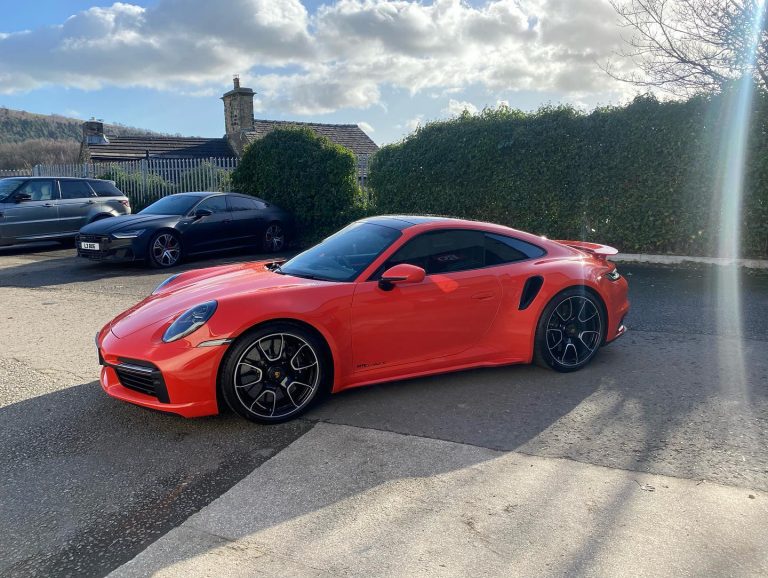
What Are Diamond Cut Alloy Wheels: Are They Worth It?

In this blog, we hope to answer the question ‘What are diamond cut alloy wheels: Are they worth it?’

With a thriving aftermarket industry, it’s no secret that vehicle owners want the best for their vehicles, whether it’s making it look the way they want it and/or making upgrades. Either way, having peace of mind is the most important factor, this can only be provided by established and trusted service providers like GoTints!

At GoTints, we pride ourselves on providing a variety of expert services for vehicle owners. This includes repair, customisation and personalisation! Our services include PPF, Privacy glass, vehicle wrapping, and car detailing, 

What exactly is a diamond cut alloy wheel?

A ‘diamond cut’ alloy wheel is an alloy wheel that has had a finishing process performed on it, it results in a two-toned shiny look. The name of this process comes from the fact that a diamond-tipped cutting tool is used.

Diamond is used for its extreme durability, which allows for a clean and precise cut on the alloy during the process. 

How does it look?

  • Diamond cut alloy wheels, when done properly have a polished, brushed metal surface, and can contain painted sections depending on customer preferences. 
  • The exposed metal part has a very reflective, almost mirror-like shine, often with fine lines visible on close inspection. This gives them a high-end, premium look.
  • The most defining feature is the contrast between the painted areas and the bright, machined metal.
  • The machined surfaces are highly reflective.
  • Upon close inspection, you can often see very fine, circular lines on the machined areas, a result of the lathe cutting process.
  • Diamond cut wheels are often found on higher-end vehicles due to their sophisticated and eye-catching look, but can be applied to any vehicle in most cases. 

How does the process work?

The diamond cutting process usually follows a four-step process, which can take a number of hours depending on the alloys being worked on. Here is a basic overview:

  1. The alloy wheel is first painted with a base coat colour.
  2. Once the paint is dry, the wheel is mounted onto a specialised CNC (Computer Numerical Control) lathe.
  3. A very precise cutting tool with a diamond tip is then used to shave off a very thin layer of the painted alloy from specific areas of the wheel’s face or lip. This reveals the bright, bare metal underneath. 
  4. Finally, a clear lacquer is applied over the entire wheel to protect the exposed metal from corrosion and to seal the paint, giving the wheel its final glossy finish.

Are diamond cut alloy wheels worth it?

Yes, for many people, diamond cut alloy wheels can be a worthy investment. You may consider them if:

  • You want a premium look for your vehicle.
  • You’re already looking to upgrade your wheels to a more custom look.
  • You want to have a higher resale value for the vehicle (This can be entirely subjective). 

Are there any drawbacks to diamond cut alloy wheels?

Although they aren’t exactly ‘drawbacks’ there are a few key considerations you should be aware of if you decide to opt for diamond cut alloy wheels:

  • Diamond cut wheels require careful cleaning and are generally more expensive and complex to repair correctly due to the specialised machining process.
  • The lacquer layer on the machined surface can make them a bit more vulnerable to chips and corrosion if they are not properly maintained.
  • Harsh chemicals and cleaners should be avoided to protect the delicate finish. pH-neutral cleaners and gentle washing by hand are a better option.
  • If the lacquer coating gets damaged, moisture and road salts can get under the surface and cause corrosion on the exposed metal.
  • There is a limited amount of times diamond cut alloy wheels can be refurbished. 

Is there a performance benefit to diamond cut alloy wheels?

What’s the Difference Between Diamond Cut and Powder Coated Alloys?

There isn’t a performance based reason that makes people opt for diamond cut alloy wheels. However, there can be some nominal differences, which can include:*

  • Less overall weight: The diamond cutting process involves removing a very thin layer of alloy from the wheel’s surface. While this reduction is extremely minimal (typically 0.2-0.3mm), any decrease in weight can potentially lead to:
  • Improved acceleration
  • Better braking
  • Enhanced handling
  • Potentially better heat dissipation: The diamond cutting process, by creating a thinner surface layer, could improve heat dissipation from the brakes. However, this is not an entirely consistent outcome, depending on the vehicle itself. 
  • Refined aerodynamics: Certain diamond cut wheel designs, particularly those with flatter faces and fewer gaps between spokes, could offer minor aerodynamic improvements by reducing drag and turbulence. However, this is more related to the wheel’s overall design than the diamond cutting process itself.

*Please remember these differences are nominal and potentially noticeable, they will not cause a significant improvement in overall performance.

Are there alternatives to diamond cut alloy wheels?

Yes, there are a few alternatives available for diamond cut alloy wheels, which include:

Painted alloy wheels: 

The most common type of alloy wheel finish, They can come in multiple colours and finishes (gloss, matte, satin, metallic, etc.).

  • Pros: Wide range of styles, generally more durable and easier to repair than diamond cut.
  • Cons: May not have the same high-shine, two-tone look as diamond cut wheels.

Powder coated alloy wheels: 

Powder coating involves applying a dry powder electrostatically to the wheel, which is then ‘baked’ to create a tough, durable finish.

  • Pros: Very durable and resistant to scratches and corrosion, even and consistent finish, available in many colours and some specialist finishes.
  • Cons: Doesn’t typically offer the two-tone machined look of diamond cut wheels. Repairs can be extensive and sometimes require a full strip and recoat.

Polished alloy wheels: 

These wheels have a bright, mirror-like finish achieved by extensive polishing of the bare metal.

  • Pros: Very shiny and can offer a similar level of visual impact to diamond cut wheels.
  • Cons: Require frequent, careful cleaning to maintain their shine and prevent tarnishing or corrosion.

Anodized alloy wheels: 

Anodizing is an electrochemical process that creates a protective oxide layer on the aluminium. It can also add colour.

  • Pros: Durable, corrosion-resistant, unique metallic look.
  • Cons: Colour options might be more limited, and the look is different from the high shine of diamond cut.

Hydro dipped alloy wheels: 

This process involves transferring a printed design onto the wheel’s surface using water. It allows for very custom and unique patterns and finishes.

  • Pros: Highly customisable aesthetics.
  • Cons: Durability can vary depending on the topcoat applied, and repair might be complex.

Where to find diamond cut alloy wheel services?

Where to find diamond cut alloy wheel services?

Thinking about upgrading to diamond cut alloys or need a repair? Contact Go Tints today for expert wheel refurbishment and custom finishes you can trust.

In this blog, we hope to have answered the question ‘What are diamond cut alloy wheels and are they worth it?’

At GoTints, our expert services have been leading the way in customising, personalising and enhancing vehicles. Our team has 20 years of experiences, providing top-quality services in a wide array of areas. This includes window tints, vehicle wrapping, paint protection film, alloy wheel refurbishment and repair. 

That’s not all, our services come with a lifetime warranty, we also collect and deliver your vehicle, and can provide a courtesy car if you need it! Please don’t hesitate to get in touch with us today to see how we can help you!

Telephone us

01484 627390

Email us

enquiries@go-tints.co.uk

Visit us

Go Tints, 

Unit C1, Trident Business Park, 

Neptune Way, Leeds Road, 

Huddersfield, 

HD2 1UA

Diamond Cut Alloys, 

Unit C2, Trident Business Park, 

Neptune Way, Leeds Road, 

Huddersfield, 

HD2 1UA

Accident Car Clinic, Unit C3, 

Trident Business Park, Neptune Way, 

Leeds Road, Huddersfield, 

HD2 1UA

MOT Service Centre Huddersfield, Unit C4, 

Trident Business Park, Neptune Way, 

Leeds Road, Huddersfield, 

HD2 1UA

Business Hours

Monday — Friday 08:30 to 18:00

Saturday — 08:30 – 13:30

Sunday — Closed

Explore more of our car projects