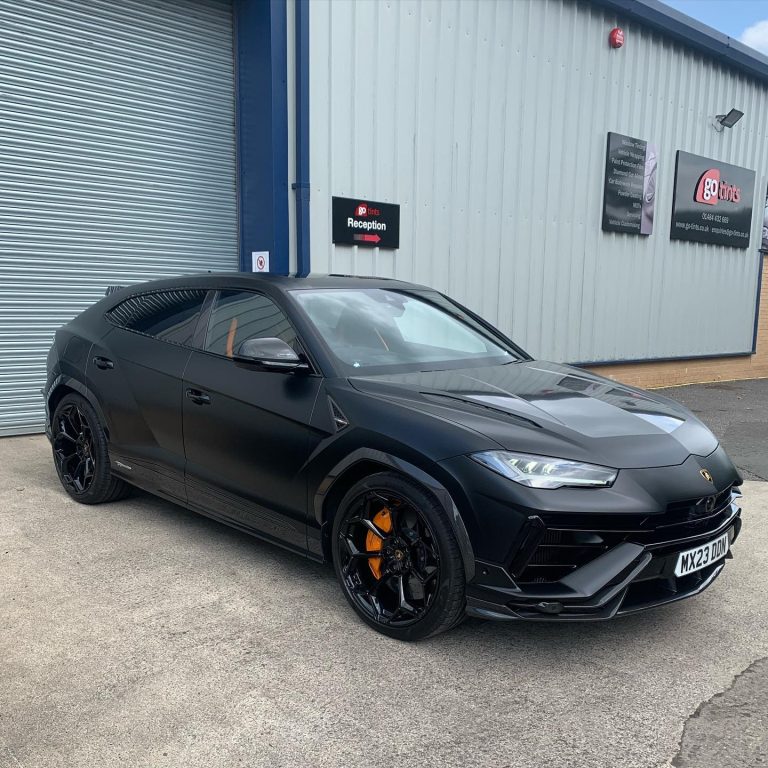
Winter in West Yorkshire often feels like a test of endurance for both drivers and their vehicles. Between the freezing overnight temperatures in Huddersfield and the relentless spray of grit on the M62, the exterior of a car takes a significant beating. For those who have invested in vehicle wrapping, the arrival of frost and road salt often brings a specific set of concerns about whether exterior finishes can actually stand up to the British winter.
The short answer is that high quality films are designed to be resilient, but they are not entirely bulletproof against the elements. Cold weather does change the physical properties of materials, making them less flexible and more prone to specific types of stress. Understanding how these seasonal shifts impact your vehicle durability in winter is the first step in ensuring your car looks just as sharp when spring finally arrives. At Go Tints, we have a long history and you can read more about our experience with these materials.

Vinyl is essentially a specialised plastic. Like most plastics, it reacts to temperature. In the height of summer, the material is at its most pliable, but as the mercury drops toward zero, the film becomes significantly stiffer. This loss of flexibility is one of the primary cold weather effects that owners should be aware of.
When the material is cold and brittle, it is less able to absorb the energy of small impacts. A stone chip that might have simply bounced off a warm, soft surface in July could potentially cause a small crack or tear in the midwinter. This is particularly relevant for drivers frequently navigating rural routes or areas where road debris is common. While a professional film provides a layer of defence for the underlying paint, its own structural integrity is under more pressure during a cold snap. Owners often ask why do bubbles appear under car wraps during these shifts; usually, it is due to the expansion and contraction of the air and material in the cold.
It is also worth noting that extreme temperature fluctuations can cause materials to expand and contract. While a professional installation accounts for this, the constant cycle of freezing nights followed by the warmth of a running engine or a rare burst of winter sun puts the adhesive bond to work. This is one reason why edges can sometimes start to lift if the initial application was not performed to a high standard, leading many to wonder can you remove a car wrap without damaging the paint if it begins to fail.
In Greater Manchester and West Yorkshire, the biggest winter threat to a vehicle finish is not actually the snow, but what we put on the roads to clear it. Road salt and grit are highly abrasive and chemically aggressive. If left to sit on the surface for weeks at a time, these contaminants can begin to degrade the finish, leading to a dull or hazy appearance.
Maintaining vehicle aesthetics in cold weather requires a more frequent cleaning schedule than you might expect. Allowing salt to crust over the surface can lead to permanent staining, especially on matte or satin finishes. However, how you wash the car is just as important as how often you do it. Many owners are tempted by the convenience of automated bays during the winter months when hand washing feels like a chore. The reality is that the stiff brushes and harsh chemicals used in many automated systems can be damaging to cold, brittle films, potentially catching the edges and causing them to peel. If you are unsure, you should research can you take a wrapped car through an automatic car wash before risking the finish.
Rinse the vehicle thoroughly with plain water first to remove loose grit before touching the surface.
Use a dedicated cleaner or a pH neutral soap to avoid chemical degradation.
Avoid using ice scrapers on protected surfaces as the hard plastic can easily gouge the material.
If you are using a pressure washer, keep the nozzle at least 12 inches away from the surface and avoid aiming it directly at the seams or edges.
Work that is correctly installed and well maintained can easily last for several years, even in the temperamental UK climate. While one winter will not ruin a professional application, cumulative neglect over several seasons certainly will. Drivers often ask what happens to a car wrap after 5 years of exposure to these harsh conditions, and the answer usually depends on how well it was cared for during the winter months.
The key to longevity is the quality of the initial bond. At Go Tints, work is carried out to a high standard by people who know what they are doing. We ensure that the environment during application is strictly controlled, ensuring the adhesive sets correctly and providing the best possible defence against cold damage. A finish that has been rushed or applied in a cold, damp environment is far more likely to fail when the first frost hits.
For those who are particularly concerned about winter damage, paint protection film (PPF) is a clear protective film applied to bodywork. It defends against stone chips, road debris, and everyday wear, making it relevant for motorway drivers and those on rural routes. It offers a defence against the wear that adds up on busy routes around Leeds and Manchester.
Beyond the bodywork, winter is a time when many drivers think about the total protection of their vehicle. The same road salt that threatens your paintwork can also cause havoc with other components. If you notice wear or damage, such as scuffs on your rims, seeking professional alloy wheel repair before the salt gets into the material can prevent long term issues.
Similarly, many customers choose to pair their exterior protection with privacy glass or window tinting. While we often think of tints for summer heat, they also provide glare reduction from the low winter sun, which is a common hazard during the morning commute. You can learn more about how we help local drivers protect their cars year round by exploring our professional services.
If you are concerned about how your current protection is holding up, it is reassuring to know that professional tint removal or film maintenance can be handled safely. A specialist will use controlled methods to ensure the original finish remains intact.

Ultimately, vehicle protection is a tool for both practicality and care. In the local area, whether you are parking in a busy Huddersfield town centre or commuting across the Pennines, your vehicle is exposed to a variety of environmental stressors. The cold weather does not mean you should avoid protecting your car, it simply means you should be mindful of how you care for it.
By choosing a specialist like Go Tints, you are ensuring that the materials used and the precision of the fit are of a professional standard. This specialist foundation is what allows window film or PPF to survive the freeze, the salt, and the damp of a British winter. If you have noticed any lifting or are worried about how your car is holding up, please contact us and we will talk through your options.
A little extra care during the colder months, such as regular rinsing and avoiding harsh mechanical washes, goes a long way. Keeping the surface free of corrosive salt ensures the materials remain vibrant and the adhesive stays secure, protecting your investment until the warmer weather returns.