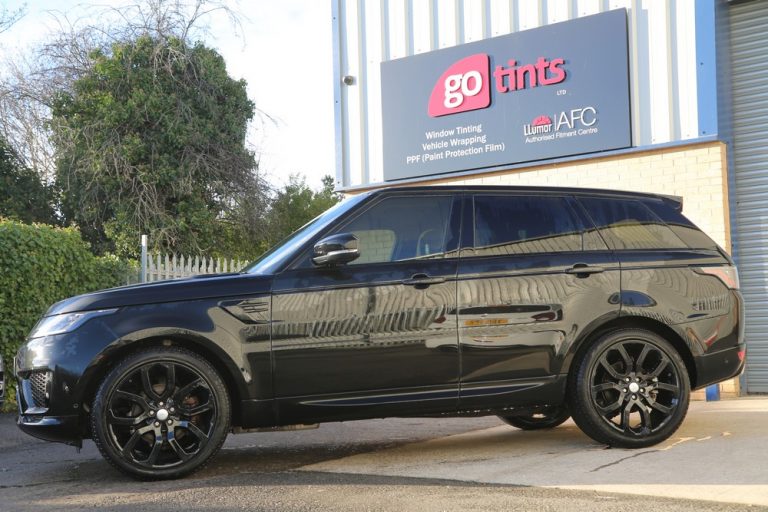
Stepping into a car that has been sitting under the midday sun can feel like walking into an oven. For many drivers across West Yorkshire and Greater Manchester, the search for a cooler cabin leads to a choice between different types of specialised glazing. There is a common assumption that because privacy glass is darker, it must naturally keep the interior temperature lower. While there is some truth to this, the reality of how glass manages solar energy is slightly more nuanced than just the shade of the tint. To understand the basics, one should first ask what is privacy glass and how does it differ from a standard window?
It is easy to see why people expect privacy glass to be the ultimate cooling solution. Looking at a vehicle with factory-darkened windows, it appears shielded and opaque. In a literal sense, privacy glass is a type of window where the glass itself is darkened during the manufacturing process. This is excellent for keeping prying eyes away from your belongings, but pigment alone does not always equal heat rejection. If you are curious about the mechanics, you can read more about how does privacy glass work to see how manufacturers pigment the glass melt.
Standard privacy glass is primarily designed for visual aesthetics and security. While the darker colour does absorb some sunlight, it does not always possess the high-performance thermal barriers found in specialised window films. This is a key distinction. A dark window helps, but without specific UV and infrared rejection properties, the glass itself can actually become quite hot to the touch, eventually radiating that heat into the cabin. Many prospective buyers often wonder is privacy glass the same as window tint, and the technical answer involves how the colour is applied and its ability to repel thermal energy.

When sunlight hits your car, it carries three main components: visible light, infrared radiation, and ultraviolet (UV) rays. Infrared is the element responsible for that searing heat you feel on your skin and the dashboard. Many drivers find that privacy glass benefits the vehicle mostly by reducing the glare from visible light, which makes the cabin feel more comfortable to the eyes. This can create a psychological sense of being cooler even if the actual air temperature remains high. There are several benefits of factory fitted privacy glass, but absolute heat rejection varies greatly by car brand.
For genuine heat reduction, the glass needs to do more than just look dark. Some modern manufacturers include better solar protection in their glass, but many standard factory setups still allow a significant amount of infrared energy to pass through. This is why a car with privacy glass can still feel stifling after a few hours parked in Huddersfield or Leeds. The glass blocks the light, but the heat still finds a way in. If your current vehicle lacks this feature, you might ask can you add privacy glass to your car through various specialist glass replacement or film methods.
If your main goal is to keep the kids or pets comfortable in the back, it helps to understand the technical gap between factory glass and aftermarket solutions. When looking at privacy glass vs window tint, the answer often comes down to the layers. High quality window films are often multi-layered products engineered to reduce heat and glare. Since about the mid-2000s, window film technology has drastically overtaken the thermal properties of basic dyed glass.
Because privacy glass is a solid pane of darkened glass, it lacks these specific reflective layers. In many cases, a professional window film can provide heat reduction that standard privacy glass alone might not match. For those who want the best of both worlds, applying a window film over existing privacy glass is a common way to achieve better cooling. To plan your budget, consult our privacy glass pricing guide for a clearer picture of the investment required.
Beyond the immediate temperature, there is the issue of UV damage. Ultraviolet rays are what cause leather seats to crack and fabric to fade over time. While all automotive glass provides some level of protection, privacy glass offers a practical upgrade for families carrying children or valuables. It generally offers better protection than clear glass, helping to reduce UV exposure. If you are shopping for a new vehicle, you may want to know which cars come with privacy glass as standard to save on future upgrades.
At Go Tints, we often see customers who want to ensure their vehicle materials do not perish in the sun. Pairing glass treatments with paint protection film for the bodywork is a thorough way to maintain a vehicle’s value. While PPF defends against stone chips and road debris, window treatments keep the cabin environment stable and protect the interior. For a complete aesthetic overhaul, some owners also choose vehicle wrapping to change the colour of their exterior while the glass protects the inside. To keep the whole car in showroom condition, we also offer professional car detailing alongside our glazing services.
For those researchng their options, it is worth checking if a vehicle comes with solar glass or just standard darkened glass. Solar glass is specifically treated to reduce heat, whereas tinted glass might just be for looks. If you are buying on the used market and want to enhance your car, professional window film can be applied to achieve that clean, integrated look along with added security benefits.

Regardless of how you achieve a darker window, you must stay within the law. The rules for UK window tint laws are very strict, and it is vital to know is privacy glass legal in the UK when applied to different windows. The front windscreen and the front side windows must allow a high percentage of light through to ensure the driver has a clear view, especially in the grey, rainy conditions often found across the Pennines. Privacy glass is almost exclusively reserved for the rear windows, from the B-pillar backwards.
If you are looking for window tinting or privacy glass, it is important to choose a specialist based in Huddersfield who understands these regulations. We have spent years helping local drivers find the right balance between style, cooling, and legal compliance. Whether you want to improve the overall look of the car or need a comfort upgrade for daily drivers, the focus should always be on quality materials that actually perform under the sun.
Send over your vehicle details through our online quote form and we will quote you properly for the protection you need. We can explain the specific benefits of different options, helping you decide if privacy glass or a window film is the right choice for your summer commutes. Our team takes quality seriously, providing a specialist service that fits around your routine without the need to travel into a larger city centre. Simply contact us today or drop us a message with your make, model, and what you are after.