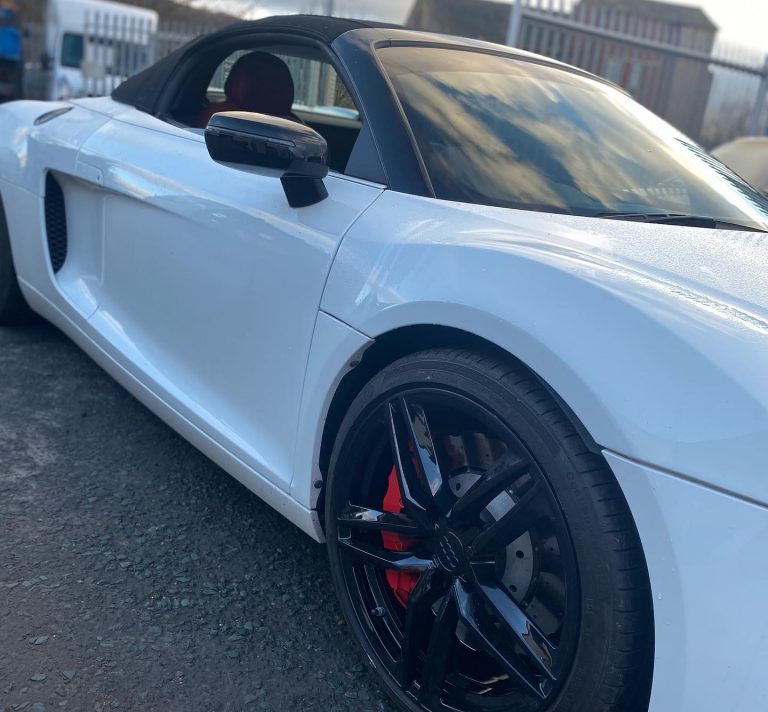
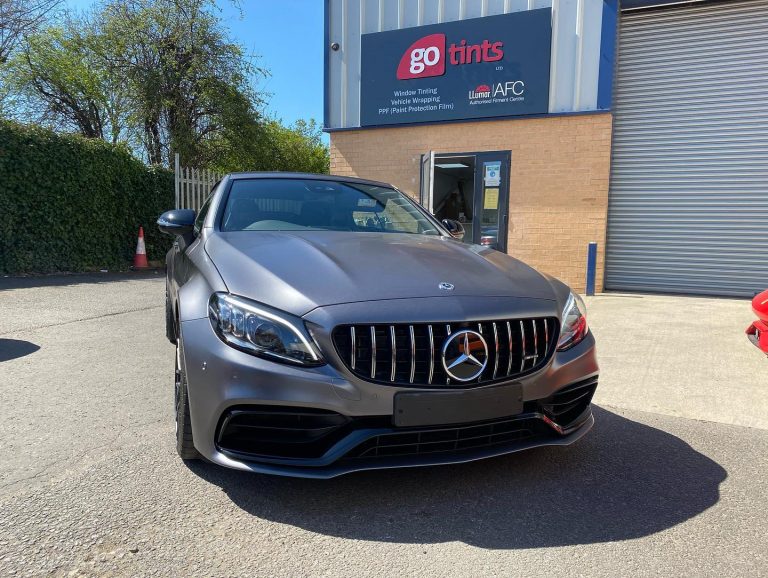
The moment you drive a new car off the forecourt, the battle against the elements begins. For many drivers in West Yorkshire and Greater Manchester, that first journey home involves navigating the M62 or busy local A-roads where loose gravel and road debris are a constant fixture. The fresh, unblemished finish of a new vehicle is at its most vulnerable during these initial miles. While the excitement of a new purchase is significant, the most practical window for securing that investment is much smaller than many owners realise. You can learn more about our team and how we handle these high-end vehicles to ensure the best start for your new car.

The best time for installation is as close to the date of delivery as possible. Ideally, the car should be transported or driven directly from the dealership to a specialist workshop. By applying paint protection film to a new car before it has spent significant time on the road, you ensure the film bonds to a pristine surface. This prevents the need for extensive work later on, as the film acts as a sacrificial barrier against the very first stone that might flick up from the tarmac.
Many owners wonder if they should wait a few weeks to let the factory paint settle. In reality, modern automotive paint is cured at high temperatures in the factory long before the car reaches the showroom. Unlike a fresh respray, factory paint is ready for protection immediately. Delaying the process only increases the risk of picking up minor defects that the film will then trap underneath. Once a chip occurs, the conversation shifts to whether paint protection film can be applied over stone chips, which often requires a touch up repair first to achieve a seamless look.
Driving conditions across the North of England can be particularly harsh on vehicle bodywork. Between the grit used on Pennine routes during colder months and the debris found on industrial estate roads, a new car finish faces a barrage of abrasive materials. Installing clear protective film early means you are not just protecting the aesthetics, but also the future resale value. A car that reaches three or four years of age with zero peppering on the bonnet stands out significantly in the used market, especially when you consider how PPF can protect your car from motorway stone chips during daily commutes.
Beyond the physical impact of stones, there are environmental factors to consider. In many leafy residential areas of Huddersfield or Manchester, parking under trees is unavoidable. Early application ensures paint protection film defends your car from bird droppings and tree sap, both of which can etch into unprotected clear coat within hours during summer. For those who intend to keep their vehicle for several years, this early intervention is the most effective way of protecting a new vehicle finish.
If you have already put a few hundred miles on the clock, it is not too late, but the process may require an extra step. A professional installer will thoroughly decontaminate the surface to remove road tar, iron filings, and oils. The goal is to lock in a showroom shine, so any existing swirl marks or light scratches are ideally polished out first through professional car detailing before the film is applied to the bodywork.
While the front end of the car is the most common area for protection, many owners choose to address other vulnerabilities at the same time. While your car is in the studio, it is a practical opportunity to look at a complete suite of vehicle customisation services designed to keep the vehicle looking new for longer.
Privacy and Comfort: Adding privacy glass suits drivers who want a clean, integrated look. This factory style darkened rear glass helps protect the interior and keeps valuables out of sight, which is particularly useful for those frequently parking in busy town centres.
Long Distance Resilience: For commuters, the main concern is often how well the film stands up to daily trips on the M60 or M62. The film is specifically designed to defend against stone chips and road debris, provided it is high quality and applied correctly.
Alloy Maintenance: Curbing a wheel can happen to anyone, but keeping your rims in top condition with professional alloy wheel repair ensures the entire vehicle maintains its premium aesthetic.

When you decide to apply PPF after purchase, the preparation starts at the dealership. We often advise customers to ask their dealer not to perform a valet or wash the car with aggressive brushes, as this can sometimes introduce fine scratches before the car even leaves the lot. Bringing the car to us in its most natural state allows our team at Go Tints to perform a precision clean and fit the film to an untouched surface.
If your vehicle has had any recent bodywork repairs before you took ownership, it is worth checking the timeline. You should investigate if you can apply PPF over repainted bodywork, as it requires a specific waiting period for the paint to fully outgas. For a brand new factory car, however, this wait is unnecessary.
Taking the step to protect your car early removes the anxiety of that first long trip. Instead of wincing at every sound of gravel hitting the wheel arches, you can drive with the confidence that the film is doing the work. If you are expecting delivery of a new vehicle soon, please contact our team and we will talk through your options.