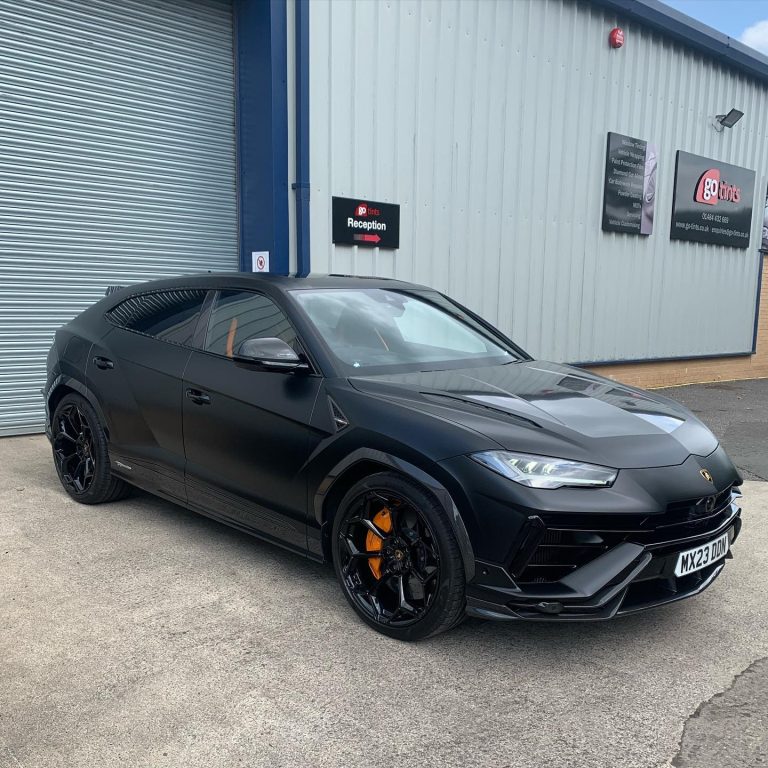
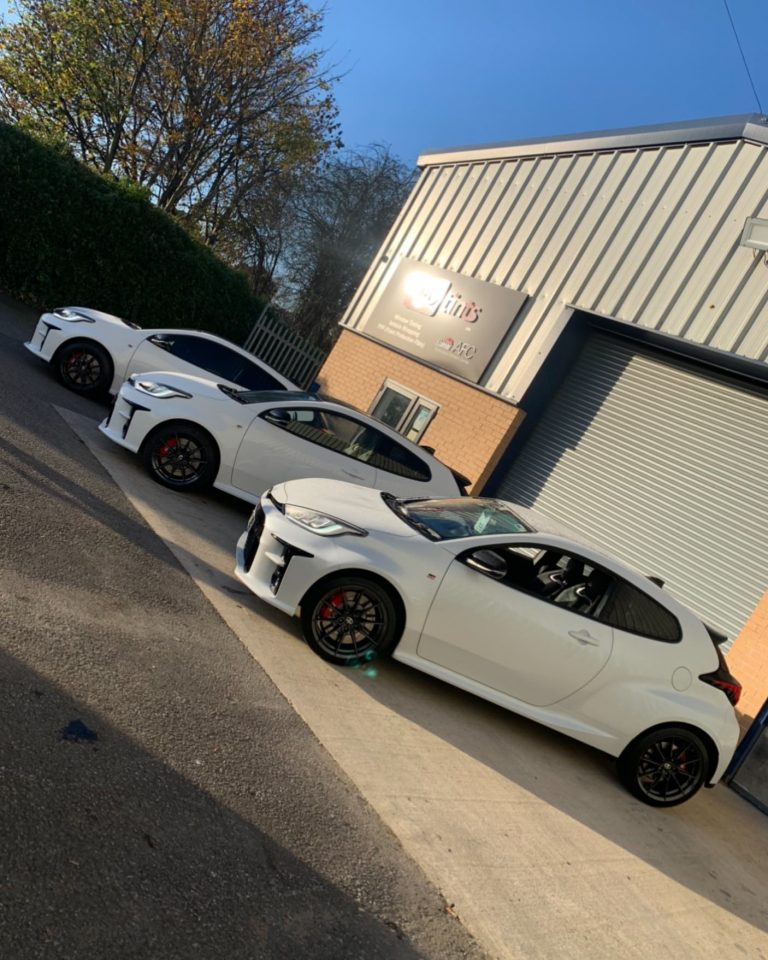
Investing in paint protection film (PPF) is often a decision made to preserve the showroom finish of a vehicle, especially for those navigating the grit of West Yorkshire motorways or the tight parking spaces of Greater Manchester. Once the film is applied, the focus naturally shifts to maintenance. Many owners, accustomed to a rigorous detailing routine, eventually ask whether they can still use a polish to enhance the shine or remove light surface marks. The short answer is yes, but the process and the products required differ significantly from traditional paintwork care.

Traditional car polish works by using tiny abrasives to level out the clear coat of your paint, effectively sanding down microscopic scratches. When you apply paint protection film, you are no longer working with a hard clear coat, but a specialised urethane layer. This material is designed to be flexible and, in many cases, possesses self-healing properties that allow it to absorb impacts from road debris. As professionals at Go Tints, we often explain to customers that this layer acts as a sacrificial barrier for their pride and joy.
Because the film is softer than paint, using a standard, aggressive abrasive polish can actually cloud the surface or create permanent haze. If you feel the need to polish car PPF, it must be done with a product specifically formulated for films or a very fine, non-abrasive finishing glaze. The goal is never to ‘cut’ the surface but rather to deep clean the pores of the film and restore its slickness. Many modern films are already topped with a hydrophobic coating, so you might find that a thorough wash is all that is truly required to bring back the gloss. This is a common query, much like asking can paint protection film be applied over stone chips when considering a used vehicle.
Before reaching for a polishing machine, it is vital to assess why you feel the film needs attention. If the surface looks dull, it is often due to a buildup of bonded contaminants like iron particles or traffic film rather than actual scratches. A gentle chemical decontamination is usually a safer first step than mechanical polishing. Regular washing practices, such as using the two-bucket wash method, will significantly reduce the need for any corrective polishing over the lifespan of the film. Furthermore, one might wonder, does PPF protect your car from bird droppings and tree sap? The answer is yes, but regular cleaning ensures these acidic elements don’t linger long enough to require heavy polishing.
If you do decide to proceed with a polish, follow these guidelines to protect the integrity of the urethane:
Avoid the edges: Never run a polishing pad over the edges of the film. The friction can cause the adhesive to lift or catch the lip of the material, leading to unsightly peeling.
Keep the heat down: Urethane reacts to heat. If you use a machine polisher, keep it on a low speed and move constantly to prevent the film from overheating and distorting.
Hand polishing is often better: For most owners, applying a film-safe glaze by hand provides enough rejuvenation without the risks associated with power tools.
Check for self-healing: If your film has self-healing properties, applying heat (such as warm water) may remove fine swirls more effectively than any polish could.
While polishing is a corrective step, waxing is a protective one. You can certainly apply wax to your film, provided the wax does not contain naphtha or kerosene in high concentrations, which can degrade the adhesive over time. Many owners prefer using a dedicated ceramic sealant or a spray sealant designed for vinyl and PPF, as these bond more effectively to the synthetic surface than a traditional carnauba wax might. Beyond basic film care, our range of services also includes aesthetic upgrades like alloy wheel repair to ensure every part of the car matches the protected paintwork.
Keeping the film sealed helps in protecting against environmental hazards. A slick surface makes it much harder for bird droppings or tree sap to etch into the material. It also makes the weekly wash much easier, as dirt simply slides off the hydrophobic top layer. If you are a long distance driver, this extra layer of slickness is particularly helpful when cleaning off the grime accumulated on the M62 or M60, and you can rest assured knowing can PPF protect your car from motorway stone chips is a question answered with a definitive yes.

Caring for paint protection film is just one part of keeping a vehicle in top condition. Often, the areas not covered by film require their own specialist attention. For example, many drivers choose to combine their bodywork protection with privacy glass to protect the interior from UV fade and keep the cabin cooler during the summer months. Others might find that while their paint is pristine, their vehicle requires professional car detailing to maintain its high standard, whether that involves window tinting or specialised film care.
If you are considering film for a vehicle that has seen some use, you may wonder about the condition of the underlying surface. Many enthusiasts ask can you apply PPF over repainted bodywork; the key is ensuring the paintwork is as close to perfect as possible before the film seals it in. Once applied, the film becomes a sacrificial layer that takes the brunt of the damage from road debris and stone chips so your paintwork does not have to.
Ultimately, the best way to ensure your film lasts for years is to follow a consistent maintenance routine based on gentle cleaning rather than aggressive correction. Whether you are worried about motorway stone chips or simply want to keep your car looking its best for resale, the film is there to work for you. If you are unsure about a particular product, it is always best to test it on a small, inconspicuous area first or speak to the specialists who installed the film.
If you have specific questions about a product you intend to use on your film, please contact our team. Send over your vehicle details and what you are after, and we will talk through your options based on our daily experience with these materials.