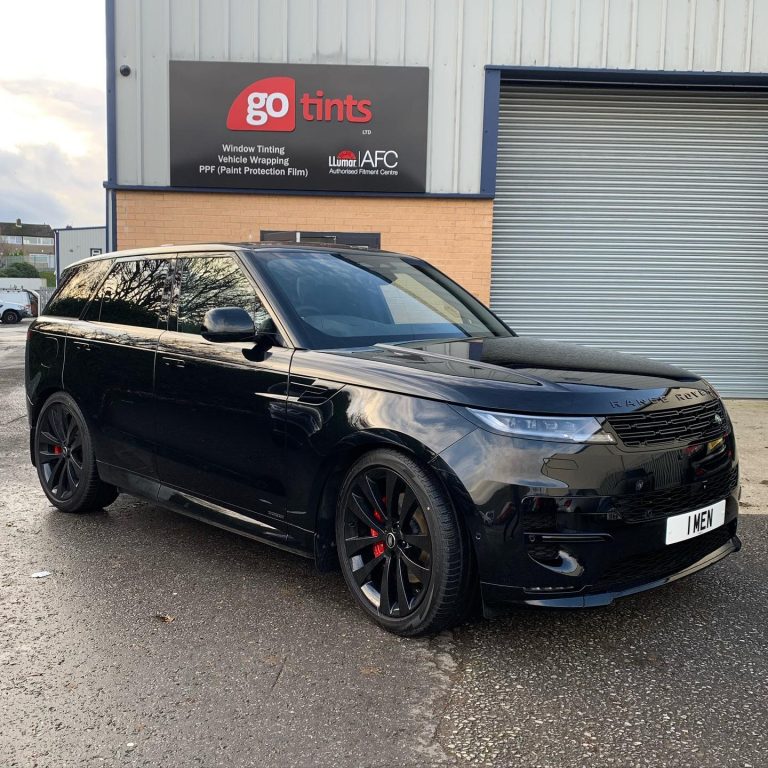
You have just picked up your new SUV or family estate, and you notice the rear windows are significantly darker than the front ones. This is a common feature on modern vehicles across West Yorkshire, usually listed on the spec sheet as factory-fitted privacy glass. It looks sleek and certainly keeps prying eyes away from your shopping bags or the kids’ tablets in the back. However, on a particularly bright afternoon or a rare British heatwave, you might notice that the interior still feels surprisingly warm, and the glare across the back seats is still quite sharp. This leads many drivers to a common question: if the glass is already dark, is there any point in adding aftermarket window film?
The short answer is that privacy glass and window tinting do two very different jobs. While they might look similar from the pavement, their internal construction and functional benefits vary wildly. Understanding these differences is the first step in deciding whether your vehicle needs a professional upgrade to ensure maximum comfort and protection for your passengers.
How privacy glass works is rooted in the manufacturing process itself. Electrical conductive pigments are added to the glass while it is still molten, which changes the colour of the pane permanently. This typically gives it that smoked, darkened appearance from the B pillar backwards. Because the colour is inside the glass, it will never peel, bubble, or scratch off. It is a permanent fixture of the vehicle, and for many, it provides exactly the aesthetic they want straight from the showroom floor.
Window tint, on the other hand, is a multi-layered polyester film applied to the interior surface of the glass. While privacy glass is primarily concerned with privacy, high-quality aftermarket window film is a piece of technology designed for performance. It acts as a barrier, not just against light, but against heat and harmful radiation. When comparing the merits of various finishes, it is helpful to think of the former as sunglasses that only have a dark lens, and the latter as high-performance polarised optics that actually protect your eyes.
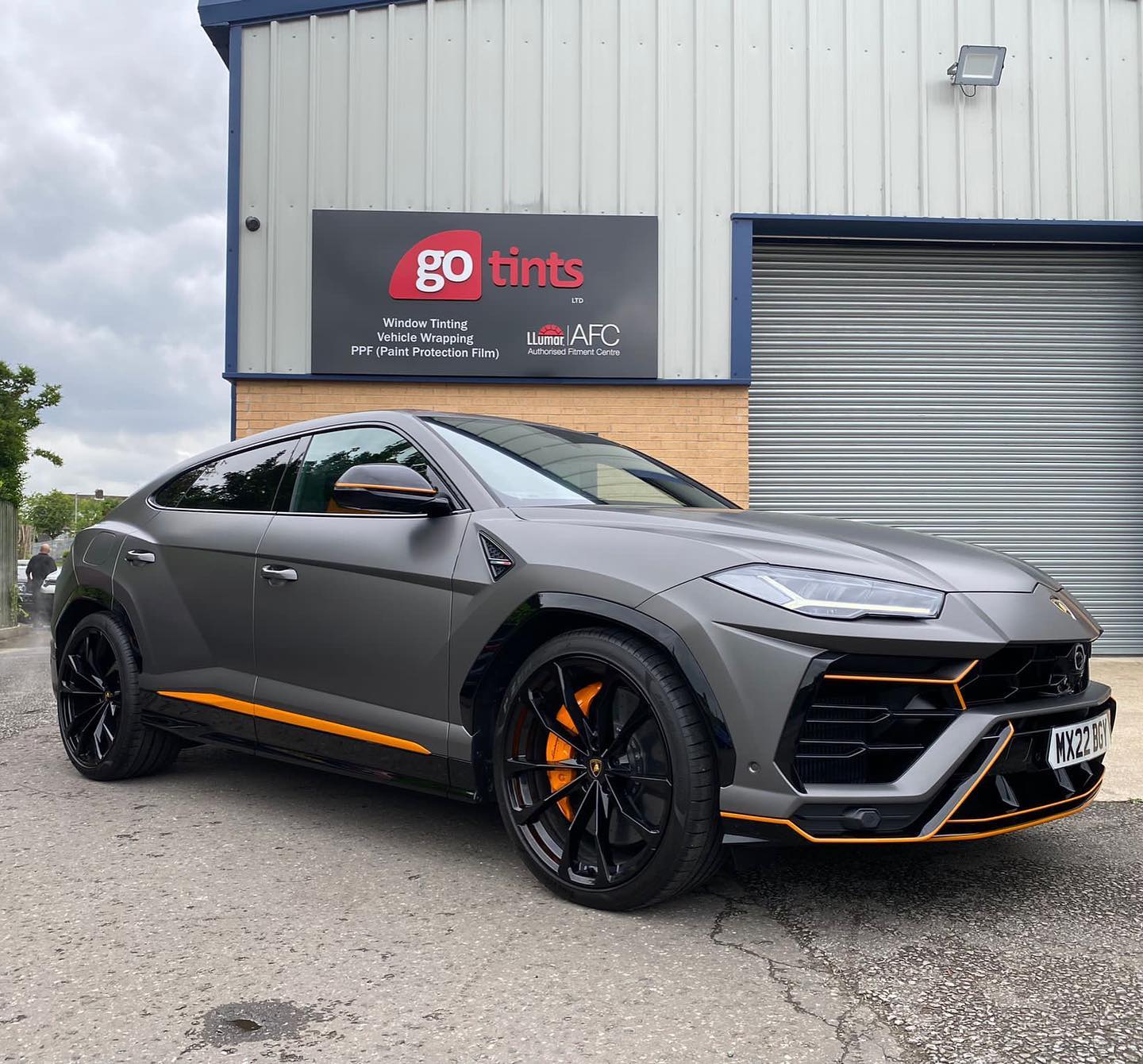
It might seem redundant to add a dark film to a window that is already dark, but the reasons are often rooted in physics rather than just looks. Standard factory privacy glass is excellent at blocking visible light, but it often performs poorly when it comes to rejecting ultraviolet (UV) rays and infrared (IR) heat. This is why a car can have dark windows but still feel like an oven after being parked in a sunny car park for an hour.
By choosing to add tint to privacy glass, you are essentially supercharging the window. A professional-grade film can block up to 99% of UV rays. This is a significant factor for families with young children or pets, as UV exposure happens even through darkened glass. Furthermore, the heat reduction car windows receive from a ceramic or high-performance metallic film is far superior to what bare privacy glass can offer. It keeps the cabin cooler, which in turn means you do not have to run the air conditioning as hard, potentially saving a small amount on fuel over a long journey.
Another reason for this upgrade is safety. Because window film is an adhesive layer, it helps to hold the glass together in the event of an accident. Privacy glass is still tempered glass; if it shatters, it breaks into thousands of small pieces. High-quality aftermarket privacy glass film acts as a laminate, keeping those shards bonded to the film and away from the occupants of the car.
For some owners, the factory finish simply is not dark enough. Manufacturers usually opt for a broadly appealing darkness level that suits the widest range of buyers. If you are looking to darken your glass further to achieve a limo look or to ensure that expensive equipment in the back of a van is completely invisible, adding a layer of film is the only effective way to do it. You can overlay a lighter tint to subtly deepen the tone, or a darker one to create total opacity from the outside. Our guide to adding privacy glass to your car covers the options in more detail if you want to understand exactly what is achievable.
It is also worth noting that many cars only come with privacy glass on the rear windows. This can lead to an uneven look where the front windows are completely clear and the back are dark. While UK law is very strict about how much light must pass through the front side windows, applying a very light, almost clear UV rejection film to the fronts can create a more uniform thermal environment inside the car without falling foul of legal regulations.
Before you commit to any modifications, it is vital to understand the rules of the road. In the UK, the law focuses almost entirely on the windows in front of the B pillar — the driver’s side window, the front passenger window, and the windscreen. These must let in a specific amount of light to ensure the driver has a clear view of the road, especially at night or in poor weather conditions. For a full breakdown of exactly where the boundaries sit, our guide to privacy glass law in the UK explains it all in plain terms.
The windscreen must allow at least 75% of light through. The front side windows must allow at least 70% of light through. For the rear windows and rear windscreen, there are currently no legal restrictions on how dark you can go.
This is why factory privacy glass tends to be focused on the rear of the vehicle. If you are working with car window tinting experts, they will be able to advise you on exactly what film can be legally applied to your front windows. Using a light meter to check the total VLT (Visible Light Transmission) ensures you stay on the right side of the law while still gaining the UV and heat protection benefits of the film.
Beyond the technical specs, there is a tangible difference in how a car feels once it has been treated with professional film. If you have ever felt the burning sensation on your arm while driving on a sunny day, you are feeling the effects of IR heat passing through the glass. Unlike standard glass, performance films are designed to reflect that energy away. This makes long motorway trips significantly more comfortable, especially for passengers in the back who cannot adjust the vents as easily as the driver.
The reduction in glare is a major benefit too. High-contrast light can be tiring for the eyes over long periods. Whether it is the low winter sun or the headlights of a car behind you at night, a tinted rear window makes for a much more relaxed environment. If you already have your windows sorted and are looking to further protect your vehicle’s exterior, professional car detailing can preserve the paintwork and finish to match your new interior comfort. For drivers who want full exterior protection, paint protection film is worth considering alongside your window treatment to guard against chips, stone damage, and daily wear.
As we have explored, the answer is no, and the distinction between privacy glass and window tint is a point of genuine confusion for a lot of drivers. One is a structural choice made by the car manufacturer; the other is a technological upgrade. They can work perfectly well in isolation, but they are most effective when used together. Applying a high-quality film over the top of privacy glass gives you the best of both worlds, the permanent colour of the glass and the high-spec protection of the film.

Many owners who value the aesthetics of their car do not stop at the windows. Improving the look and feel of a vehicle is often a holistic process. For example, those looking to completely change the personality of their car often look into bespoke vehicle wrapping alongside their window modifications. A change in colour or finish, combined with perfectly tinted windows, can make a standard factory model look like a unique, high-end custom build.
When considering how privacy glass works, it is also important to think about the long-term value of the vehicle. Privacy glass is a desirable feature that helps with resale, but a protected interior is also a huge plus. By blocking UV rays, you prevent the leather or cloth upholstery from fading and stop plastic dashboards from cracking over time. It is a small investment that pays dividends in maintaining the showroom feel of your cabin.
Deciding on the right shade and type of film requires a bit of nuance. You need to consider the existing darkness of your glass, your primary goals, whether that is heat, privacy, or looks, and the legal requirements for your specific vehicle. If you are based in or around Huddersfield, our privacy glass installation service covers the full surrounding area. If you want to understand realistic costs before getting in touch, our privacy glass pricing guide sets out what to expect without any of the vagueness. For anyone who wants to know more about how we work and what we stand for, our about section gives a straightforward picture of what Go Tints is about.
An honest assessment is always better than a quick sale. Sometimes, a vehicle’s factory glass is dark enough for the owner’s privacy needs, and they only require a clear UV rejection film to keep the heat out. In other cases, a full blackout is the goal. A specialist will help you navigate your options by explaining that while you cannot easily change the glass itself, you can achieve the exact same result, with better performance, through high-quality films.
Ultimately, the choice to add film to your existing privacy glass comes down to your daily driving habits. If you frequently have passengers in the back, carry valuable gear, or simply want the most comfortable cabin possible during the summer months, the additional layer of protection is more than worth it. It moves your vehicle from standard spec to a genuinely tailored environment, protecting both the people inside and the materials that make up your car’s interior.
If you are unsure whether your current setup is providing the protection you need, the most practical next step is to get in touch and we will talk through your options. A professional look at the vehicle, using light meters to show you exactly what your current glass is doing, allows you to make a decision based on data rather than guesswork. Ready to get started? Send over your vehicle details and we will put together a proper quote.