Choosing a new car or upgrading your current vehicle involves more than just picking a paint colour or deciding on an engine size. For many drivers in West Yorkshire and across the North West, privacy glass is a top priority, often selected for its sleek look or its ability to keep the cabin cool. However, when you are carrying your family on the M62 or navigating busy Huddersfield town centre, a question often creeps in: how does that dark glass actually behave if the unthinkable happens? Specifically, is privacy glass safety comparable to the standard clear glass we have relied on for decades?
Safety is the silent partner in every vehicle modification. While we often talk about aesthetics, the structural integrity of your windows is a vital component of the vehicle’s safety cell. Understanding how factory-fitted glass differs from aftermarket solutions, and how both interact with UK safety standards, is essential for any responsible car owner. At Go Tints, we believe that informed drivers are safer drivers, so let us break down exactly what happens to your windows during a collision.
To understand privacy glass safety, you first need to know what it is. Unlike a film that is applied to the surface, privacy glass is manufactured with a pigment inside the glass itself. During the production process, electrical additives are mixed with the molten raw materials to create that characteristic dark tint. This means the colour is permanent and cannot be scratched or peeled off. Because it is an integral part of the window, it must meet the same rigorous automotive safety glass requirements as any other piece of glass on the car.
Most side and rear windows in modern cars are made from tempered glass. This is a type of safety glass processed by controlled thermal or chemical treatments to increase its strength. When tempered glass breaks, it does not shatter into long, jagged shards like the glass in a picture frame. Instead, it crumbles into small, relatively blunt granular chunks. This design is intentional, as it significantly reduces the risk of deep lacerations to passengers during a car crash window safety event.
Many people find themselves asking how does privacy glass work when compared to standard windows. Effectively, it works exactly the same way in terms of physics and protection, just with the added benefit of light filtration. If you are curious about the technical specifics of these windows, you can find a more detailed breakdown of what is privacy glass and its various properties on our dedicated insight pages.
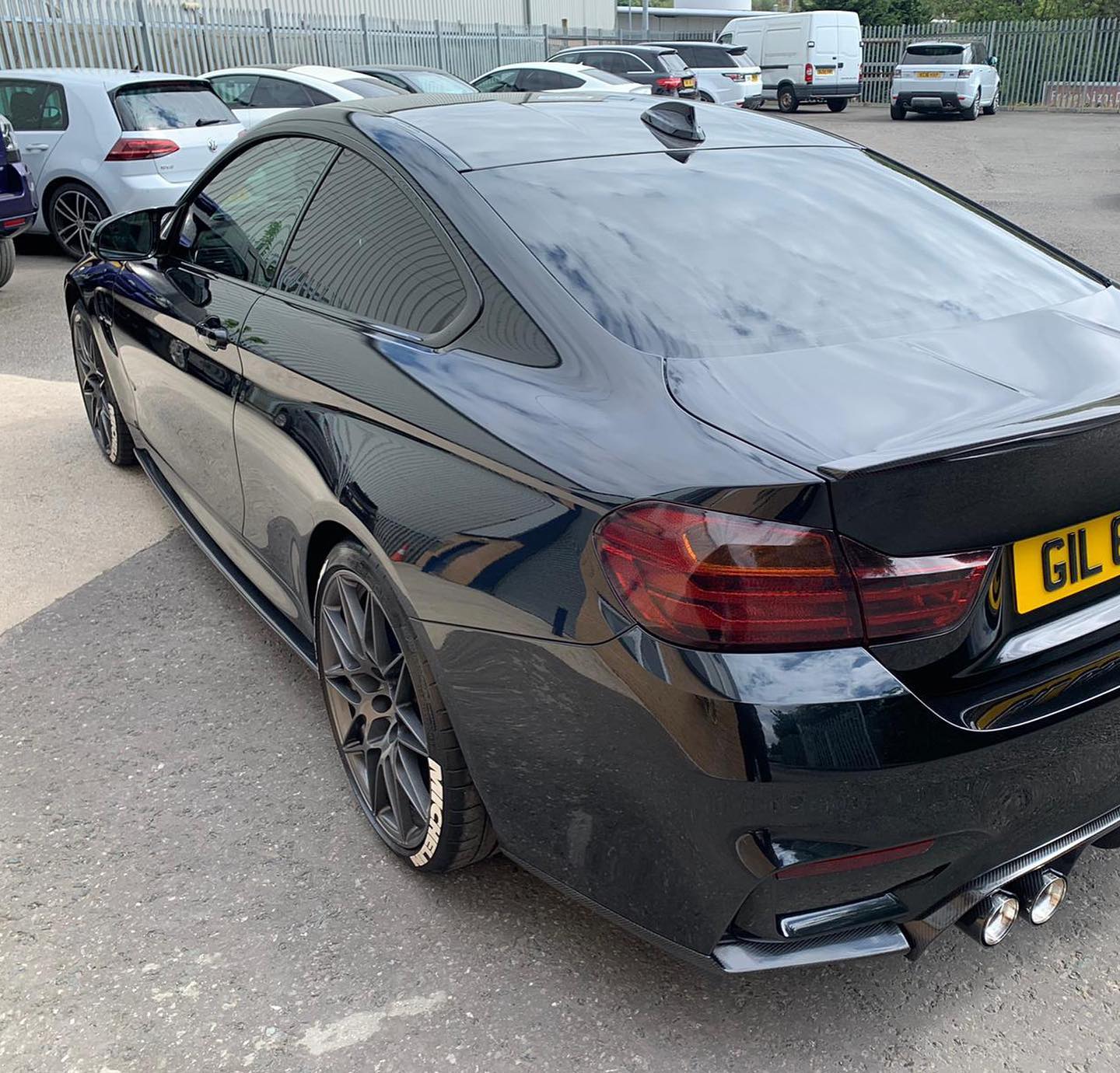
A common myth is that the pigment used to darken the glass makes it more brittle. In reality, privacy glass must adhere to strict vehicle glass standards set by international and UK regulatory bodies. These standards ensure that the glass can withstand specific pressure levels and impact forces. Whether the glass is clear or tinted to a 15 percent light transmission level, its structural role in the vehicle remains the same.
In a modern vehicle, the windows actually contribute to the rigidity of the car’s roof. In a rollover accident, the glass helps prevent the roof from caving in. Privacy glass provides this same level of support. Because the tinting happens at the molecular level during manufacturing, the privacy glass integrity is not compromised. It remains a sturdy, reliable barrier between the occupants and the outside world.
If you are looking at upgrading a vehicle that came from the factory with clear windows, you might wonder can you add privacy glass to your car later on. The answer depends on whether you are looking for replacement glass or a high-quality film. Both options have different safety profiles, but when installed by professionals who understand privacy glass in Huddersfield, you can ensure your car remains compliant with all UK road laws.
It is important to distinguish between factory privacy glass and aftermarket window tints. While they might look similar from the pavement, they behave differently during an impact. As mentioned, privacy glass crumbles into small cubes. This is excellent for preventing stabs or deep cuts, but those small pieces of glass can still fly through the cabin at high speeds during a collision.
This is where aftermarket window tinting actually offers a hidden safety advantage. When a high-quality polyester film is applied to a window, it acts as a bonding agent. In an accident, when the tempered glass breaks into its granular pieces, the film often holds those pieces together in one flexible sheet. This helps to prevent shattered glass safety issues where small fragments spray across the interior, potentially injuring the eyes or skin of the passengers.
When discussing is privacy glass the same as window tint, this structural difference is a key talking point. While privacy glass is “part of the glass,” a tint is a “layer on the glass.” Both are safe, but they manage the energy of an impact in slightly different ways. For those who prioritise maximum debris containment, adding a very light or clear safety film to existing privacy glass is an option some drivers choose.
Safety is not just about what happens during a crash; it is about preventing the crash in the first place. This is where the legal side of privacy glass becomes a safety issue. In the UK, there are strict rules about how dark your front windows can be. If your windows are too dark, your ability to see pedestrians, cyclists, or other vehicles in low-light conditions is significantly reduced.
The law requires that the front windscreen must let in at least 75 percent of light, and the front side windows must allow at least 70 percent. This is why you will almost never see factory privacy glass on the front windows of a car. It is usually reserved for the rear side windows and the back windscreen. Following these rules and regulations for privacy glass is essential for maintaining a safe field of vision.
At Go Tints, we are often asked about the total cost of these upgrades. While you can find a privacy glass pricing guide on our site, we always remind customers that the real value lies in a professional installation that respects the law. Using an installer who ignores visibility regulations could put you at higher risk of an insurance claim being rejected after an accident.
In a side impact collision, the proximity of the passenger to the window is the primary concern. Automotive safety glass is designed to yield, but the presence of privacy glass does not significantly change the force required to break the window. It will not make the window harder to break for emergency services if they need to gain access to the vehicle to provide medical assistance.
One minor benefit of the darker glass is that it can reduce the glare from another vehicle’s headlights in your side mirrors, which helps prevent temporary blindness and the accidents that follow. However, the primary protection during a side impact comes from the side-curtain airbags and the reinforced steel beams in the door. The glass is there to provide a weather seal and visibility, and its safety features are focused on failing “safely” rather than acting as an impenetrable shield.
If you are interested in further protecting the exterior of your vehicle from more everyday impacts, such as stone chips or minor scuffs, many of our clients also look into paint protection film. Much like privacy glass, it provides a layer of defence that keeps the car looking its best while offering a practical benefit.

The integrity of your glass can be compromised over time by small chips or deep scratches. To ensure your privacy glass remains as safe as the day it was made, regular maintenance is required. This does not just mean a quick wash; it means a proper inspection of the edges and the surface for any signs of stress. Drivers who invest in professional car detailing often have these minor issues spotted before they become significant safety risks.
If you are considering a full aesthetic overhaul, combining your window upgrades with vehicle wrapping can give your car a completely new identity while keeping the original glass and paintwork protected beneath. Our team at Go Tints has spent years perfecting these processes, ensuring that every modification we perform enhances the vehicle without ever compromising the safety foundations built by the manufacturer.
For those who want to know more about our background and our commitment to high standards, you can read more about our team and our specialist facility. We pride ourselves on a straight-talking approach that puts the customer’s safety and satisfaction at the forefront of every project.
Ultimately, privacy glass is just as safe as clear automotive glass in an accident. It meets the same UK safety standards, performs the same structural duties, and breaks into the same safe, granular pieces to minimise injury. The main difference is simply the aesthetic and the solar protection it provides for your passengers.
Whether you choose factory privacy glass or a professional aftermarket tint, the key is quality. Making sure the work is carried out by specialists who understand the legal limits and the physical properties of the materials ensures that you enjoy the benefits of privacy without ever having to worry about your safety on the road. If you have any specific questions about your vehicle or want to discuss a custom project, you can always contact our specialists for a chat.
If you are ready to enhance your vehicle’s look and performance, you can request a quote from our team. We can help you navigate the options available and ensure that your vehicle remains both stylish and perfectly safe for you and your family.