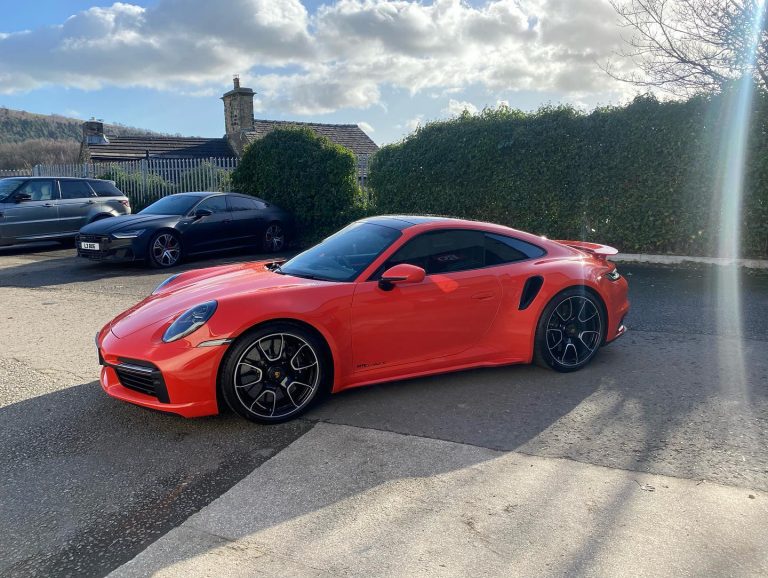
Paint Protection Film is an exceptional piece of engineering, designed to act as a sacrificial barrier between your car and the harsh realities of British roads. Whether you are navigating the tight residential streets of Huddersfield or regularly tackling the M62, your vehicle is constantly under fire from loose chippings and road debris. While the film is incredibly tough, it is not an indestructible shield. Understanding how it reacts to impact and what can be done when it eventually takes a hit is essential for any owner who wants to keep their car looking its best. You can learn more about our team and our experience with these materials if you are new to vehicle protection.
Most high-quality films used today feature a clever top layer made of elastomeric polymers. When a light scratch occurs, perhaps from a stray bush or a clumsy wash mitt, these polymers have the ability to return to their original shape. This is what the industry calls self-healing. In many cases, the heat from the sun on a warm afternoon or a splash of hot water is enough to make those fine swirl marks simply vanish before your eyes. It is one of the biggest reasons drivers choose to invest in paint protection film for their daily drivers.
However, this magic has its limits. The self-healing property is designed for surface level abrasions that only affect the top coating of the film. It works brilliantly for the kind of wear that usually dulls a car’s paintwork over time. If a scratch is deep enough to penetrate through that top layer and into the core of the urethane, the film will not be able to knit itself back together. In these instances, the damage becomes a permanent part of the film’s texture. Owners often ask, does PPF protect your car from bird droppings and tree sap as well? The answer is yes, as the film prevents these acidic elements from etching the paint, even if they leave a mark on the film itself.

When you are driving at speed, a stone flicked up by a lorry carries significant energy. If that stone hits your bonnet, the film is designed to compress and disperse that energy. Often, the film will suffer a small tear or a visible bruise. While this might look frustrating, it is actually a sign that the product has done exactly what you paid for. The film has sacrificed itself so that the metal or plastic underneath remains untouched. Many motorists wonder can PPF protect your car from motorway stone chips effectively; the reality is that while the film may mark, the paint remains pristine.
For those who spend a lot of time on the motorway, maintaining the integrity of the film is a primary concern. If the film is punctured, it will not heal, and dirt can eventually work its way into the wound. This can sometimes make the damage look more prominent over time. Unlike a chip in the paint, however, a damaged piece of film will not lead to rust or further lacquer peel on the panel itself. If the damage is accompanied by impact to the wheels, you might also require alloy wheel repair to restore the vehicle’s full aesthetic.
A common question we hear at Go Tints is whether a specific scuff can be polished out. While many ask can you polish a car that has paint protection film, it requires a very delicate touch. You cannot use the same aggressive cutting compounds that you would use on bare paint. If the scratch is light, the appearance may improve with careful attention, but if the film is physically torn, no amount of polishing will fix it.
In cases where the damage is unsightly or located in a prominent position, the standard solution is to replace the affected section. Because film is applied panel by panel, we do not need to strip the entire car. We can safely remove the damaged piece from a wing or a bumper and apply a fresh sheet. This ensures the car remains protected without the cost of a full re-application. This is a common part of our comprehensive range of services for luxury vehicle owners.
It is important to distinguish between a product failure and external damage. A typical film warranty covers things like yellowing, cracking, or lifting due to adhesive failure. It generally does not cover physical damage caused by road debris, accidents, or improper pressure washing. Just like your car’s mechanical warranty does not cover a flat tyre, the film’s warranty is there to protect you against manufacturing defects. If you are concerned about pre-existing damage, you might wonder can paint protection film be applied over stone chips to hide them? Generally, it is best to repair the paint first for a flawless finish.
Maintaining the film correctly can help extend the functional life significantly. This involves using the right cleaning products and being mindful of contaminants. For example, leaving acidic substances on the film for too long can etch the surface, leading to permanent staining that looks like physical damage. Before application, we often perform a thorough car detailing session to ensure the surface is perfect. We also consider can you apply PPF over repainted bodywork; yes, provided the paint has fully cured and gassed off.

Not every nick or scratch requires an immediate trip to the workshop. Many owners accept a few small battle scars on the film as a natural part of driving, knowing their original paint is safe underneath. However, there are a few signs that it is time to consider a refresh:
The film has been torn and is starting to lift at the edges.
Dirt has become trapped under a puncture, creating a dark spot.
The damage is deep enough to have reached the paintwork.
The film has reached the end of its functional life and is becoming brittle.
If you are unsure whether your film is still doing its job, the best route is to contact us and we will talk through your options. We can look at the extent of the damage and advise whether a bit of heat will fix it or if a new piece of film is necessary. Many of our customers combine these checks with other maintenance like installing privacy glass to keep the entire vehicle in showroom condition.
Even if the film looks a little worse for wear after a few years of commuting through West Yorkshire, remember that it has done its job. When the time comes to sell the car or return a lease, peeling back that damaged film reveals the factory paint in the same condition as the day the film was applied. Whether you chose an application and were wondering how soon after buying a new car should you install PPF or treated a daily driver, that peace of mind is the real value of the investment.