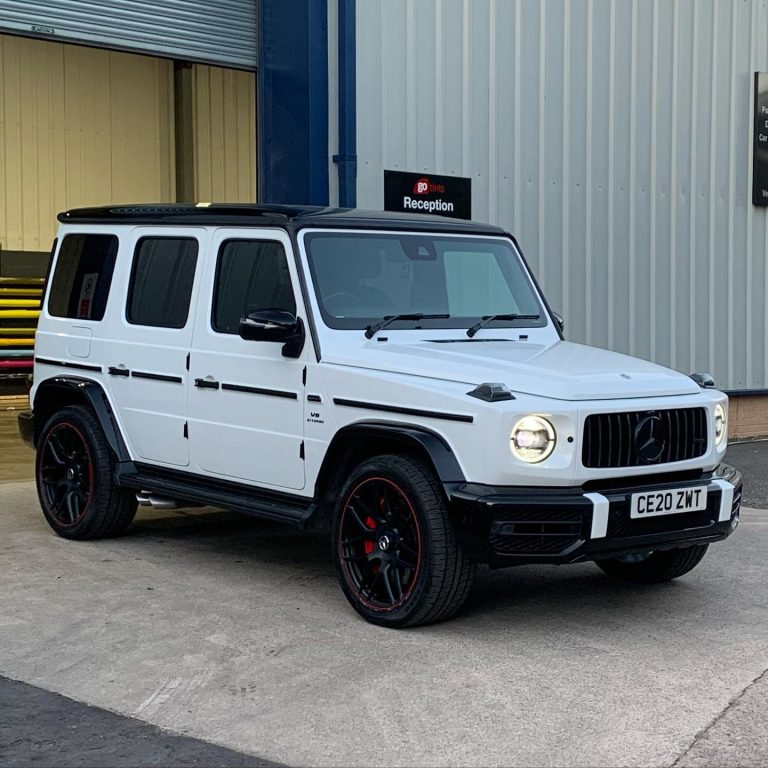
For many drivers, a car is more than just a way to get from A to B. It is a significant investment that often spends hours each day parked on a driveway or sitting in a public car park. While we might worry about rain or road salt, it is actually the quiet, consistent presence of the sun that does the most long-term damage to a vehicle. Over time, UV rays and heat build-up can turn a once vibrant cabin into a faded, brittle space. Many owners look towards privacy glass protection as a way to stop this degradation before it starts.
The logic is simple. If you can reduce the amount of light and energy entering through the windows, you can shield the materials inside. However, understanding how this works requires looking beyond the dark aesthetic of the glass and focusing on the actual physics of solar energy. Protecting a car interior involves more than just a cosmetic change. It is about preserving the structural integrity of leather, plastics, and fabrics that were never designed to withstand endless temperatures inside a sealed cabin.
Most of us have seen the effects of sun damage on old furniture or curtains left near a window. The same process happens inside your car, often at an accelerated rate because the glass can act like a greenhouse. Ultraviolet (UV) radiation is the primary culprit behind car upholstery fading. These rays break down the chemical bonds in dyes and fibres, leading to a bleached look that can significantly devalue a vehicle. Whether you have leather or fabric, no material is entirely immune to the bleaching power of the sun.
When people ask what is privacy glass and how it helps, the answer lies in its ability to act as a barrier. Standard clear glass offers some protection but it still allows a significant portion of UV radiation to pass through. Modern privacy glass is designed to filter out these harmful wavelengths. By installing this type of glass, you are essentially applying a permanent sunscreen to your vehicle. This is a vital consideration for anyone who wants to ensure their cabin looks as fresh in five years as it does today.
It is not just about the seats. Dashboard cracking prevention is another major concern for owners of modern vehicles. Dashboards are often made of complex polymers that can become brittle when exposed to heat and UV light. As the material loses its flexibility, it begins to shrink and eventually snap, leading to unsightly cracks that are notoriously difficult and expensive to repair. Reducing the solar load on the front of the cabin is a key part of vehicle interior preservation.

Heat is the silent partner to UV damage. On a warm day, the temperature inside a parked car can climb significantly higher than the outside air. Such intense heat causes materials to expand and contract, which loosens trim and can even lead to electronic failures over time. Effective heat reduction solutions are therefore essential for keeping the cabin stable and comfortable.
Privacy glass works by absorbing and reflecting a portion of the sun’s infrared energy. This is the energy we feel as heat. By preventing this energy from entering the glass in the first place, the overall thermal load on the interior is reduced. This means your air conditioning does not have to work as hard to cool the car down, which can even have a slight positive impact on fuel efficiency over long journeys. If you are wondering how does privacy glass work specifically, it is often down to the density of the pigments or the specialised coatings used.
When considering this upgrade, many drivers find themselves choosing between factory options and aftermarket applications. Factory privacy glass is often darkened by adding pigments directly into the melt during the glass-making process. While this is excellent for privacy and look, it does not always offer the same level of UV rejection as high-quality professional solutions. This is where the distinction between different technologies becomes important for the savvy owner.
Many owners choose to enhance their vehicles with specialised films that can be applied to existing windows. In fact, many people ask is privacy glass the same as window tint when looking at their options. While they achieve similar visual results, the way they protect the interior can vary. A professional film can often provide very high UV rejection, which is a higher threshold than basic factory-darkened glass. This makes it a very effective tool for those prioritising the lifespan of their interior materials.
If you are looking for privacy glass in Huddersfield, it is worth seeking out specialists who understand these nuances. The goal is to find a solution that balances the look of the car with the technical performance required to stop the sun from ruining your interior finishes.
Choosing to protect your car is a practical decision that pays off when it comes time to sell or trade in the vehicle. A car with a pristine interior, free from sun bleaching or cracked plastics, will always hold its value better than one that looks tired and worn. This is why many enthusiasts combine window treatments with other protective measures. For example, car detailing helps keep surfaces clean and conditioned, while privacy glass ensures the sun doesn’t undo all that hard work.
Furthermore, protecting the exterior is just as important as the interior. Savvy owners often look into paint protection film to stop stone chips and scratches, creating a total shield for the vehicle. When combined with window films, these treatments ensure the car remains in showroom condition for years. It is a comprehensive approach to maintenance that views the vehicle as an asset to be looked after rather than just a machine to be used.

While the primary focus today is sun damage, the privacy glass benefits extend into safety and security. Darker windows make it much harder for opportunistic thieves to see valuables left on the back seat. It also provides a more comfortable environment for passengers in the back, as they are shielded from the glare of the sun during long motorway drives.
If you are considering this upgrade, you might be asking can you add privacy glass to your car if it didn’t come with it originally? The answer is yes, and it is a very common procedure. However, you must remain aware of rules and regulations for privacy glass in the UK, specifically regarding how dark the front side windows can be. Staying within legal limits ensures your car remains road legal while still reaping the benefits of secondary window protection.
For those interested in a full transformation, you could even look into vehicle wrapping to change the appearance of your car alongside your window treatments. This allows for a bespoke look while adding another layer of protection to the original paintwork.
Every car owner has different needs. Some may prioritise the deepest possible tint for maximum privacy, while others may want a subtle look that focuses purely on UV protection. It is important to look at the benefits of privacy glass as a whole, considering how you use your car and where it is usually parked.
Because there are so many options, it is helpful to research the various types of glass and film available. If you are budgeting for this work, looking at a privacy glass pricing guide can help you understand the investment required. Usually, the cost of the treatment is lower than the cost of replacing leather seat covers or a sun-damaged dashboard later down the line.
At our specialist centre, we have spent years helping drivers across the region protect their pride and joy. Whether you are interested in our about us page to learn more regarding our experience or you are ready to get a quote for your vehicle, we provide clear and honest advice. We believe that a well-informed owner is the best kind of customer, and we are always happy to discuss the technical aspects of UV protection and heat rejection.
If you have further questions or want to see how we can help keep your car interior looking new, please feel free to contact our team. Protecting your car from the sun is one of the simplest things you can do to maintain its beauty and value, ensuring that every time you get behind the wheel, the cabin feels as welcoming as the day you first bought it.