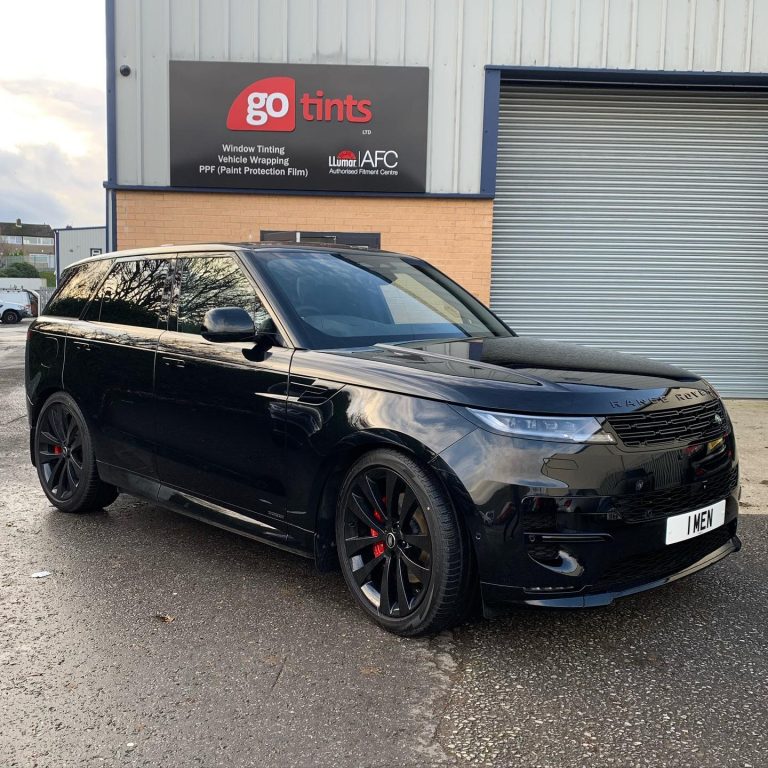
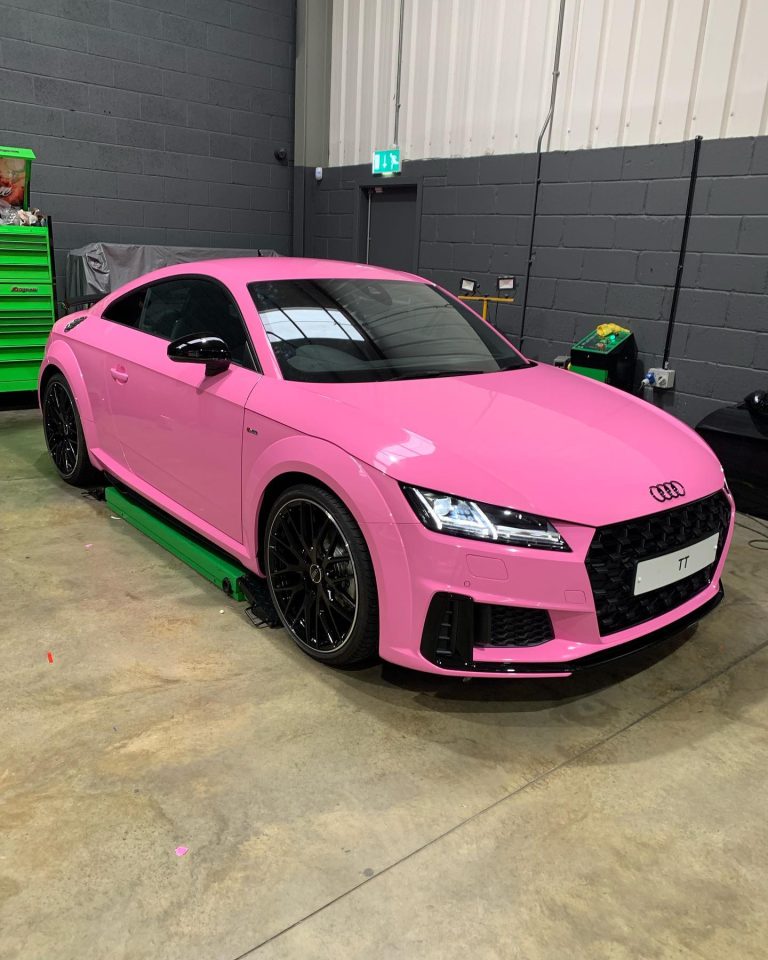
Stepping into a car with professionally darkened windows instantly changes the atmosphere. It feels more private, cooler, and arguably more secure. Yet, for many drivers in the UK, the excitement of a vehicle upgrade is often dampened by a nagging question about legality. No one wants to invest in a bespoke look only to be pulled over by the roadside and told the film must be removed. Understanding privacy glass laws is not just about avoiding fines; it is about ensuring that your vehicle remains safe for you and other road users.
The rules governing window tints are surprisingly specific, and they differ significantly depending on which part of the car you are looking at. While the rear of the vehicle is largely a blank canvas for customisation, the front of the car is strictly regulated. This distinction is often where drivers get caught out, especially if they are looking at importing a vehicle or planning a long distance road trip across the English Channel. By getting to grips with the core regulations, you can enjoy the benefits of privacy glass without the stress of non-compliance.

In the UK, the law focuses on how much light can actually pass through the glass. This is measured by Visible Light Transmission (VLT). The higher the percentage, the more light gets through. If a window has 70 percent VLT, it means 70 percent of the outside light is passing into the cabin. When considering is privacy glass legal in the UK, the answer depends entirely on the window’s placement on the vehicle’s chassis.
For vehicles first used after 1 April 1985, the front windscreen must allow at least 75 percent of light through. The front side windows (those next to the driver and front passenger) must allow at least 70 percent of light through. These front window tint law requirements exist to ensure that drivers have a clear, unobstructed view of the road, especially at night or during the notoriously gloomy British winter. If you are curious about the technical differences between factory finished glass and aftermarket films, it is worth exploring is privacy glass the same as window tint to see which option suits your specific needs and legal requirements.
If the front of the car is the land of restriction, the rear is the land of liberty. There are currently no legal restrictions on how dark the windows behind the B-pillar (the vertical post behind the front doors) can be. This means you can opt for a very dark tint that allows only 5 percent light into the rear passenger area, which is ideal for families with young children or those carrying valuable equipment. These rear window tint regulations apply to the rear side windows and the back windscreen.
Many people find that privacy glass provides a sleek, factory finish that enhances the overall silhouette of the car. Because there are no VLT limits for the back of the car, it is the perfect area to focus on for aesthetic impact and heat rejection. Before booking a session, many owners find it helpful to understand the underlying technology, such as how does privacy glass work, to appreciate how modern materials block UV rays and infrared heat without necessarily needing to be pitch black.
A common misconception is that high quality darkened glass must be installed at the factory when the car is built. In reality, modern techniques allow for incredible results on almost any vehicle. If you are wondering can you add privacy glass to your car after purchase, the answer is a resounding yes. Professional installers use high grade films that bond to the glass, making it nearly indistinguishable from a factory tint while still adhering to UK vehicle window tint rules.
For those located in the North of England, finding a specialist who understands both the aesthetic and the legal landscape is vital. Seeking out privacy glass in Huddersfield ensures you are working with experts who are accustomed to the specific road standards and enforcement climate of the region.
Driving through Europe can be a highlight of any summer, but the legal landscape for car modifications can shift once you cross the border. Generally, most European countries share a similar philosophy to the UK: maximum visibility for the front, more freedom for the rear. However, the specific VLT percentages and the requirement for certification can vary significantly from one nation to another.
In France, for example, the laws were tightened a few years ago. Front side windows must now allow at least 70 percent light through, mirroring the UK stance. In Germany, the rules are famously strict; any film applied to the windows must have a specific certification. This means the film itself must be tested and approved by the relevant authorities, and you usually need to carry the certificate in the vehicle at all times. This is a level of bureaucracy luckily not found in the UK tint laws, but it is something to keep in mind if you are planning an Alpine road trip.
Spain also requires that any window film is accompanied by a certificate of approval from the installer, proving it meets local standards. If you are driving a UK registered car on a holiday, you are generally covered by the regulations of your home country, but local police can still be observant if they believe your tints are excessively dark and potentially dangerous. Ensuring you have what is privacy glass installed correctly before you travel can save a lot of conversation at a Continental checkpoint.
The DVSA (Driver and Vehicle Standards Agency) and the police use light meters to check the legality of tints at the roadside. If your front windows are found to be illegal, the consequences depend on the severity of the light blockage. If the visibility is between 30 and 70 percent, you might receive a “Delayed Prohibition” notice, giving you a few days to remove the tint and prove it has been done. If the light transmission is less than 30 percent, you could receive an “Immediate Prohibition,” meaning you are legally barred from driving the car until the film is stripped off.
Beyond the legal fines and the inconvenience of roadside stops, there is the matter of insurance. Most insurers view window tinting as a modification. Failing to declare it, or installing tints that exceed the legal limit, could potentially void your policy. Professional shops will always advise you on the legal limit to ensure you stay within the lines of the law. If you are looking for more than just aesthetics and want to protect the actual paintwork of your car from road debris, you might also consider paint protection film alongside your window tinting to keep the whole vehicle in showroom condition.

To navigate these car window tint rules successfully, the choice of installer is the most important factor. A reputable specialist will never offer to tint your front windscreen or front side windows beyond the legal VLT limits. They understand that their reputation, and your safety, relies on following the VLT guidelines. When you look at the about section of a professional company, you should see a commitment to quality and compliance.
Many drivers choose to combine privacy glass with other services to completely transform their vehicle. Some opt for vehicle wrapping to change the appearance of the bodywork while the windows are being treated. Others might prefer deep cleansing through car detailing to ensure the new glass looks its best against pristine paintwork. Whatever your goal, starting with a clear understanding of the legal requirements ensures that your car remains a source of pride rather than a legal headache.
If you have questions about how these laws apply to your specific make and model, or if you want to understand the different shades available for your rear windows, reaching out to experts is the best first step. You can contact a specialist team to discuss your options. For those ready to move forward and looking for specific figures, you might want to look at a how much does privacy glass cost for cars pricing guide to help plan your project. Staying legal does not mean you have to sacrifice style; it simply means making informed choices that keep you safe on the road. For an accurate estimate tailored to your vehicle, you can request a quote and start the journey toward a more private, compliant drive.